About this tree
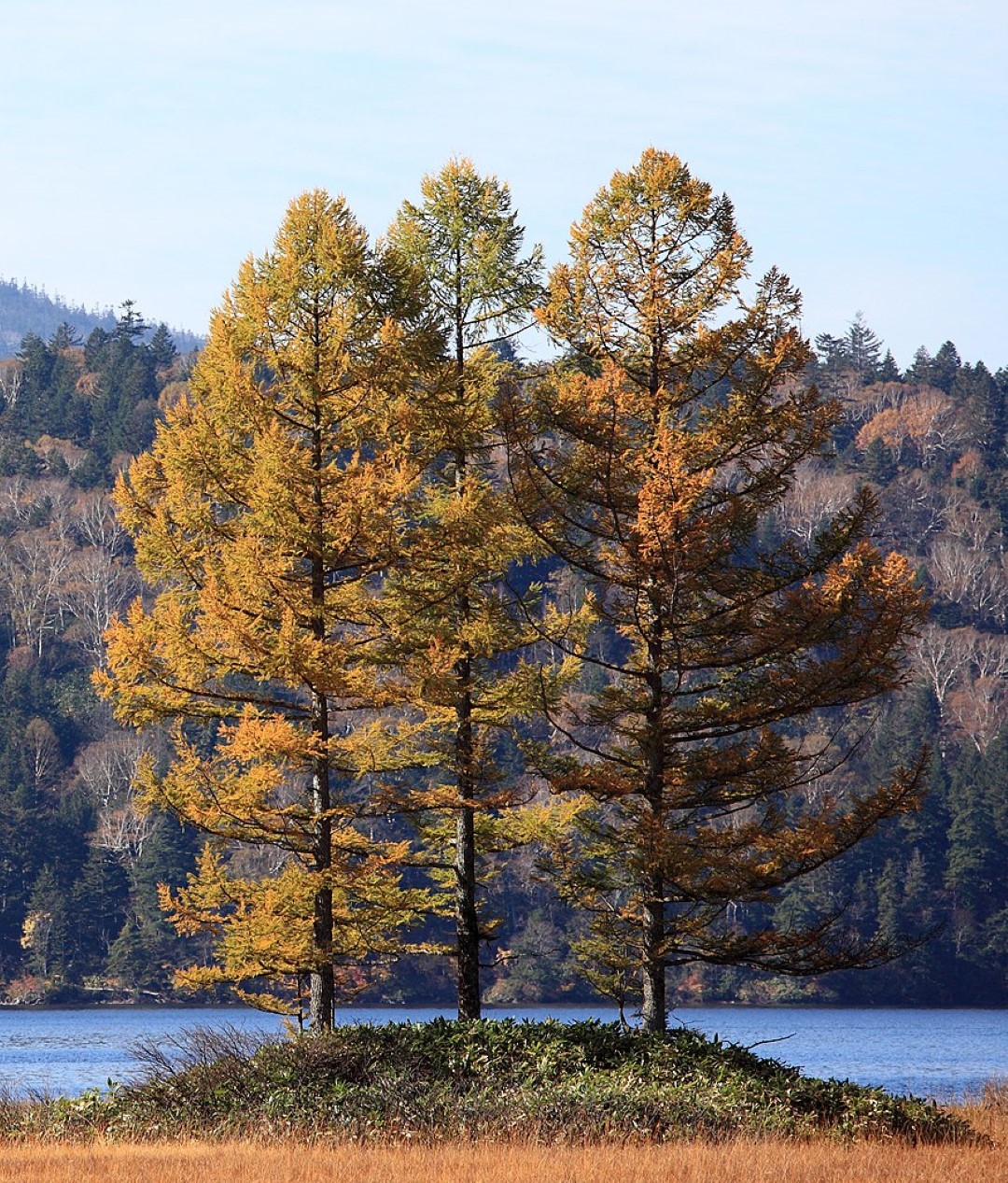
Japanese Larch – Larix kaempferi is a fast-growing deciduous conifer native to the mountains of central Honshu in Japan. Growing it from seed is a rewarding project for anyone who enjoys raising trees from the very beginning. Unlike most conifers, larch drops its needles each autumn. This gives you a tree that changes noticeably through the seasons.
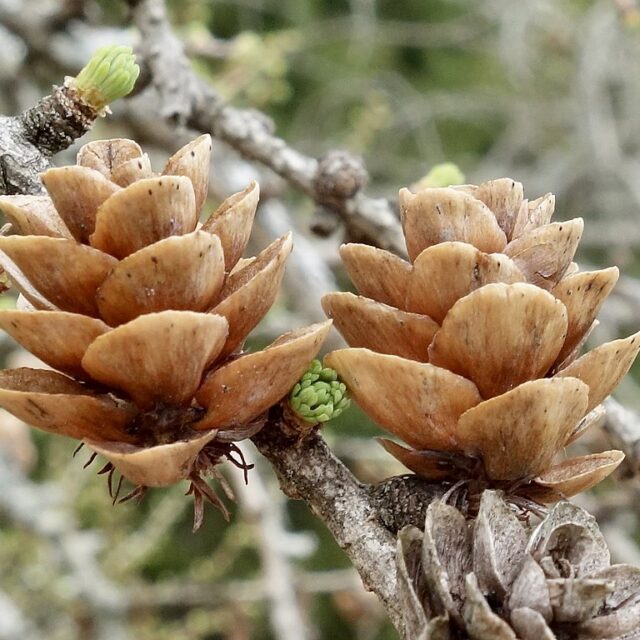
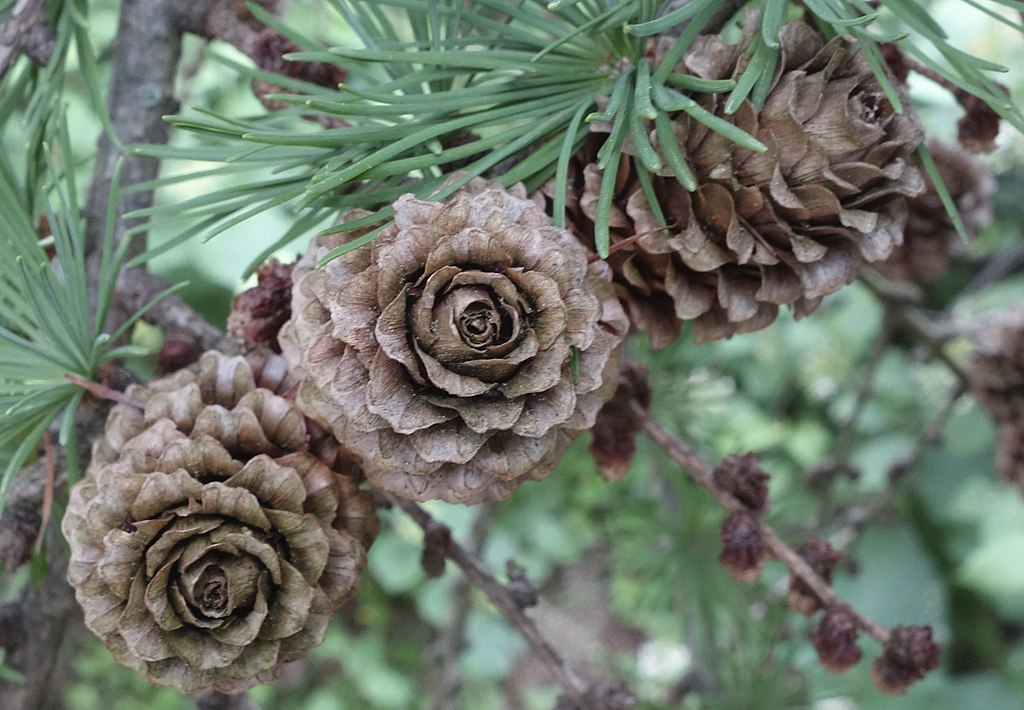
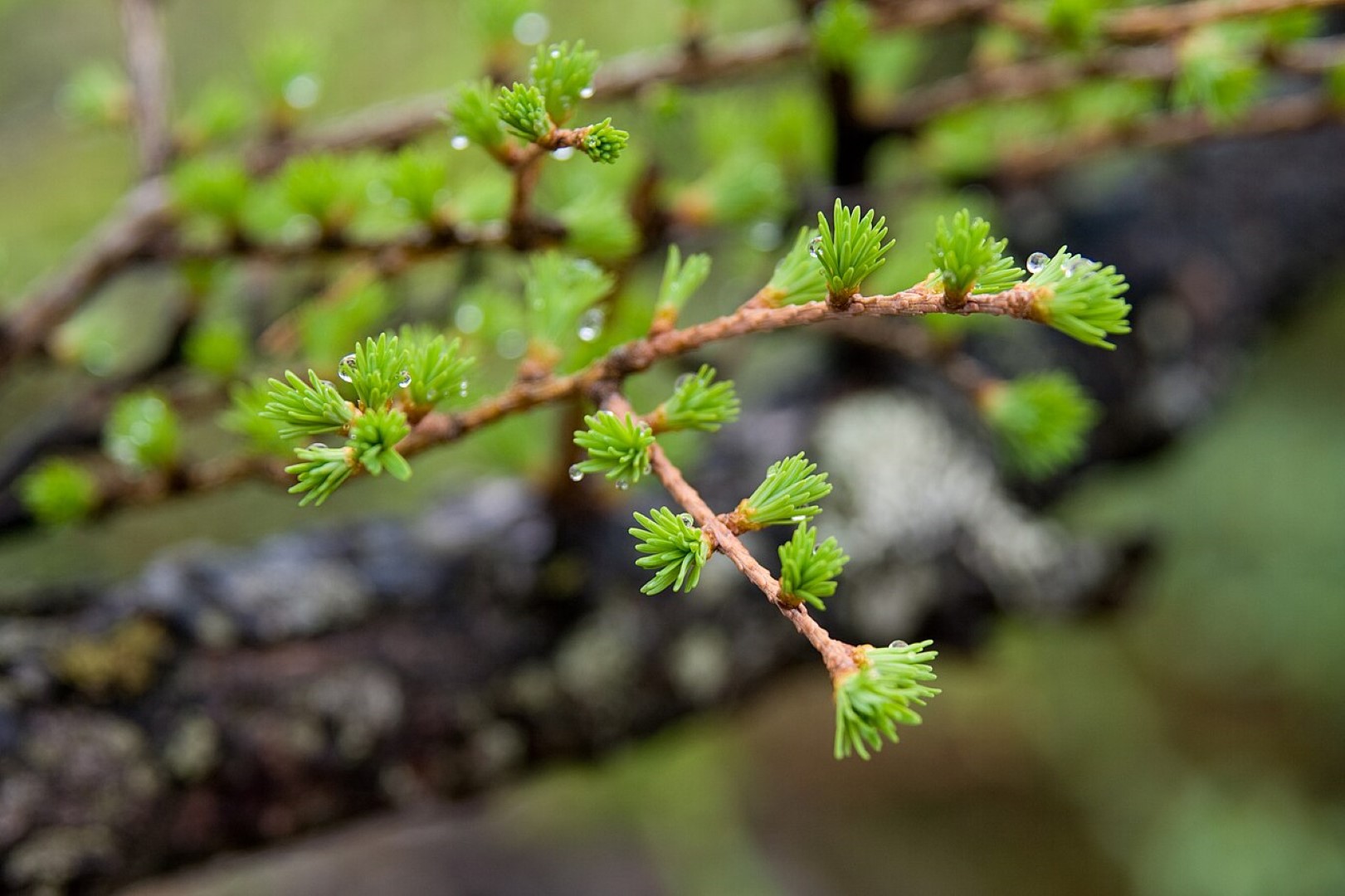
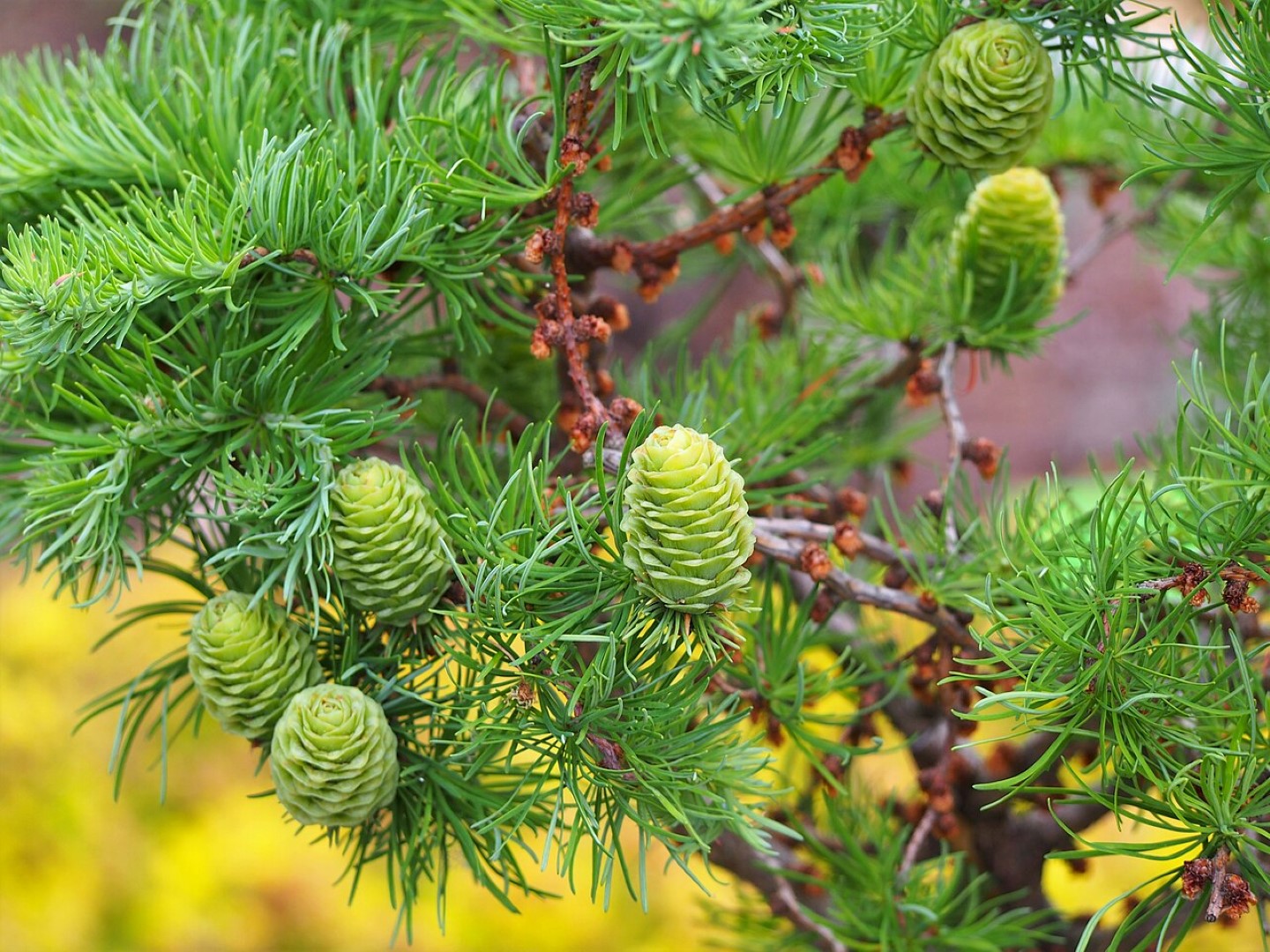
In spring, soft blue-green needles emerge in tufted rosettes along the branches. The needles are slightly broader and more glaucous than those of European larch. As autumn arrives, the foliage turns warm butter-yellow and then rich orange-gold before falling. The bare winter framework is attractive in its own right, with reddish-purple young shoots that help tell this species apart from its European relative. Small, rounded cones form with scales that curl outwards at the tips, giving them a rose-like appearance. They often stay on the branches for several years.
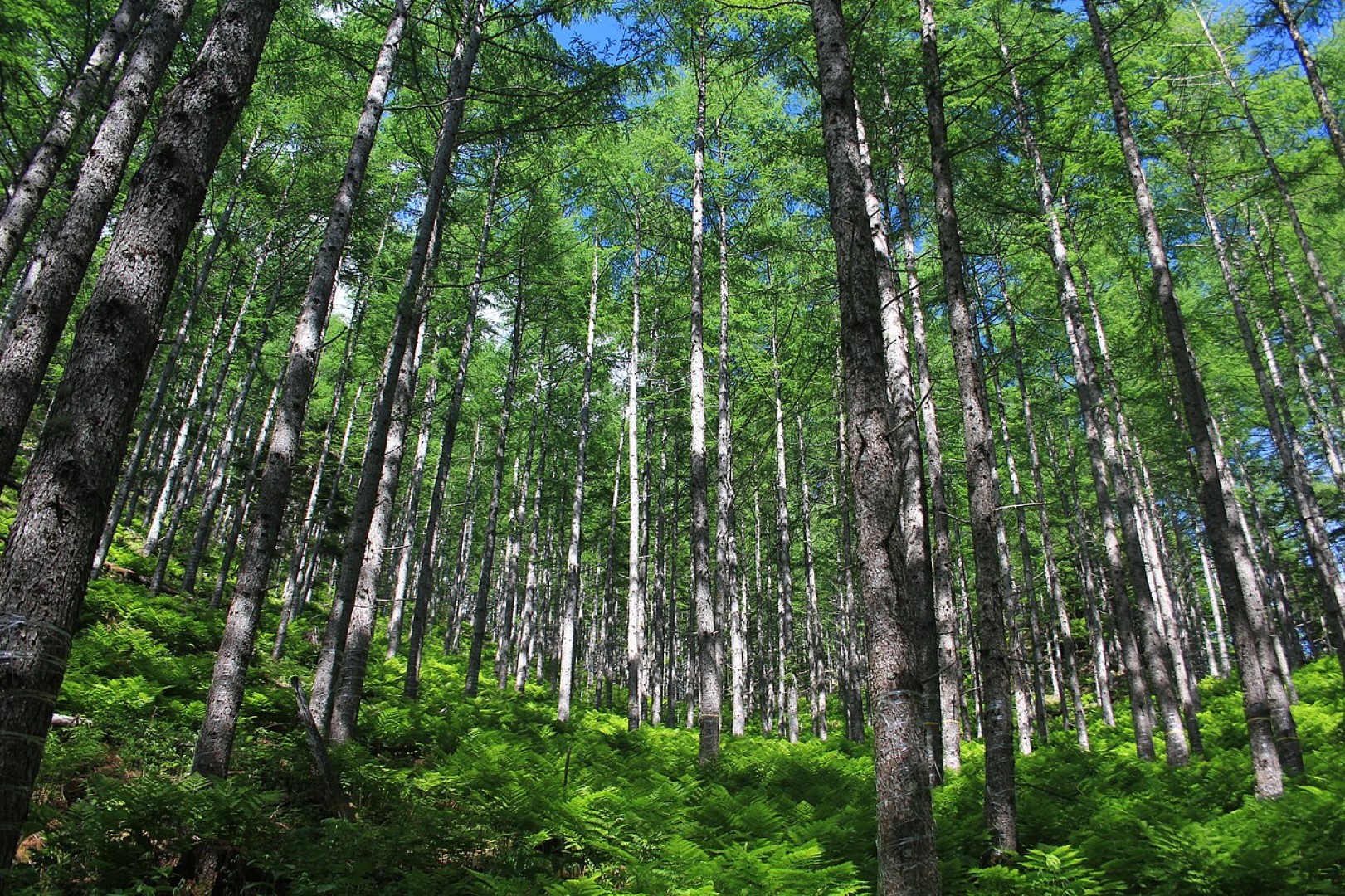
Japanese larch has long been planted in Britain for forestry and shelterbelts thanks to its vigour and hardiness. In gardens it suits large plots, woodland edges, rural boundaries and naturalistic planting schemes. It is also a popular choice for bonsai enthusiasts. Its flexible young growth, fine needles and seasonal colour make it well suited to styling, and raising your own material from seed gives you full control from the start.
Care Guide
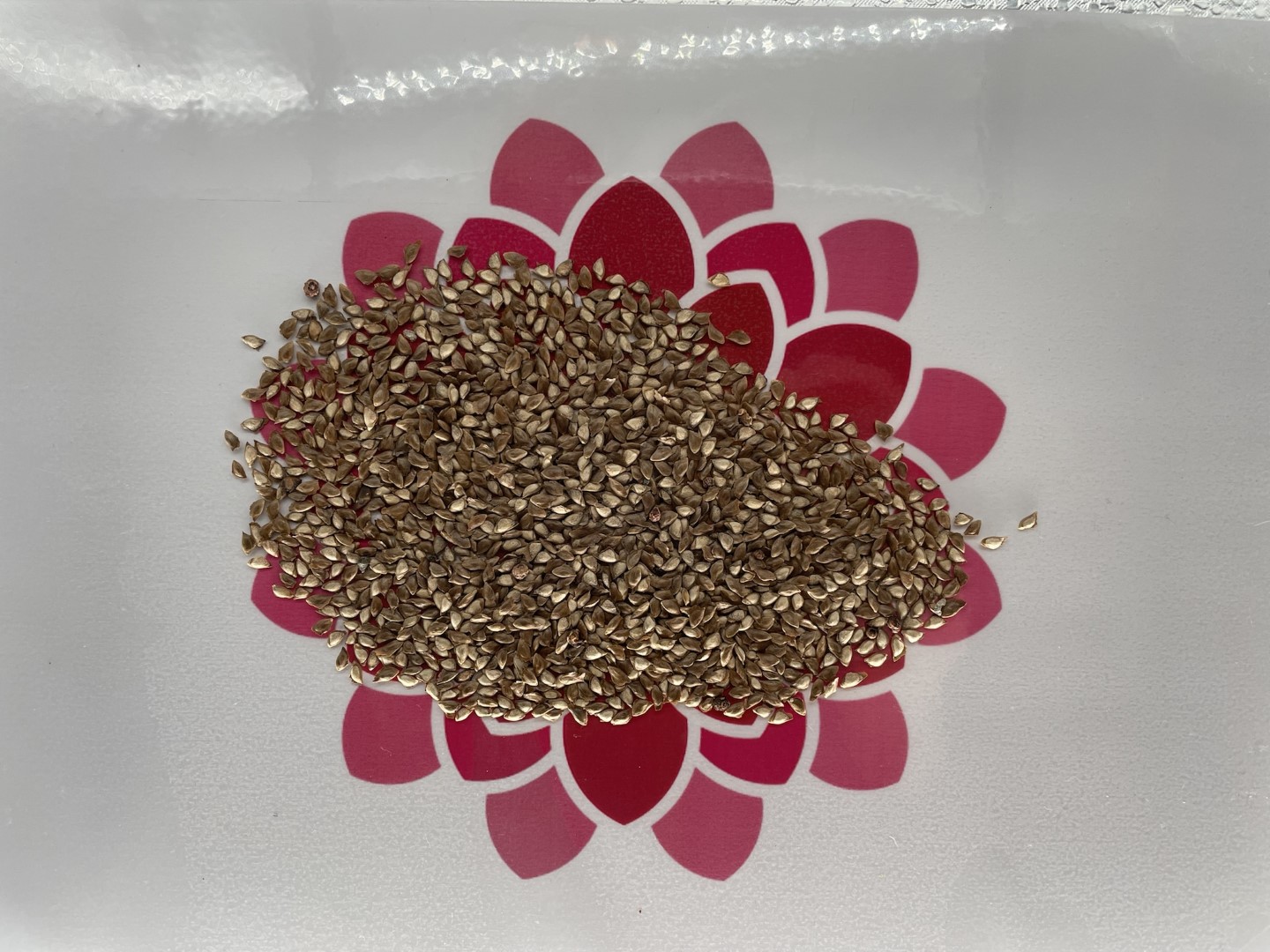
Sowing: Larch seed germinates more reliably after a period of cold stratification. Mix the seeds with slightly damp sand or vermiculite and seal them in a bag. Keep them in the fridge at around 1–5°C for four to six weeks. Sow in early to mid spring into trays or modules filled with free-draining seed compost, covering the seed only very lightly with fine grit or compost. Keep the trays in a cold frame or an unheated greenhouse, and keep the compost evenly moist but never waterlogged. Germination usually follows within a few weeks as temperatures rise.
Seedling care: Young larch seedlings can be prone to damping off, so water carefully and provide good airflow. Once they are large enough to handle, prick them out into individual pots. Grow them on in a sheltered, bright position, protecting them from strong midday sun in their first summer.
Planting out: Seedlings can usually be planted out after one or two growing seasons. Plant while dormant, between late autumn and early spring. Choose a position in full sun with moist, well-drained soil. Japanese larch prefers neutral to acidic conditions and does poorly on shallow chalk or permanently wet ground. It copes well with exposure and the cool, damp conditions of the British climate.
Ongoing care: Water young trees during dry spells for the first couple of years while they establish. Mulching around the base helps retain moisture and suppress weeds. Little pruning is needed. Simply remove any dead, damaged or competing leaders in winter. Be aware that larch can be affected by Phytophthora ramorum, so buy and grow responsibly and follow any local plant health guidance.
Ultimate height
Higher than 12 metres
Time to ultimate height
20–50 years
Ultimate spread
Not confirmed