About this tree
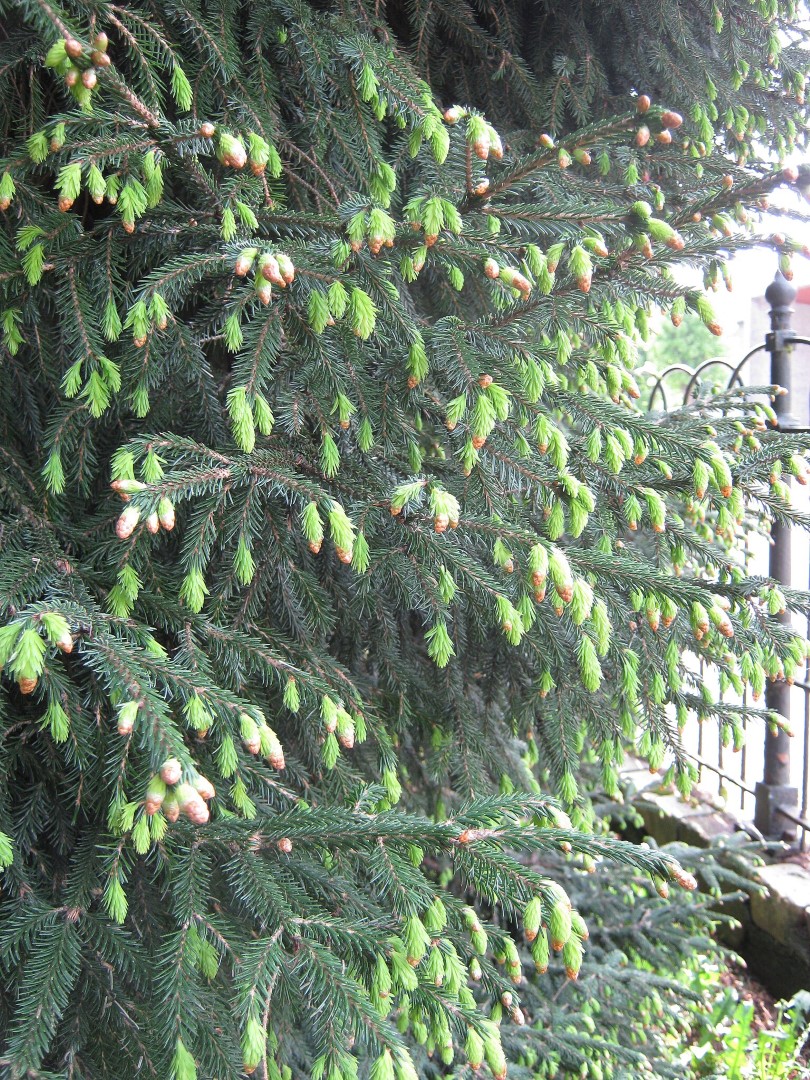
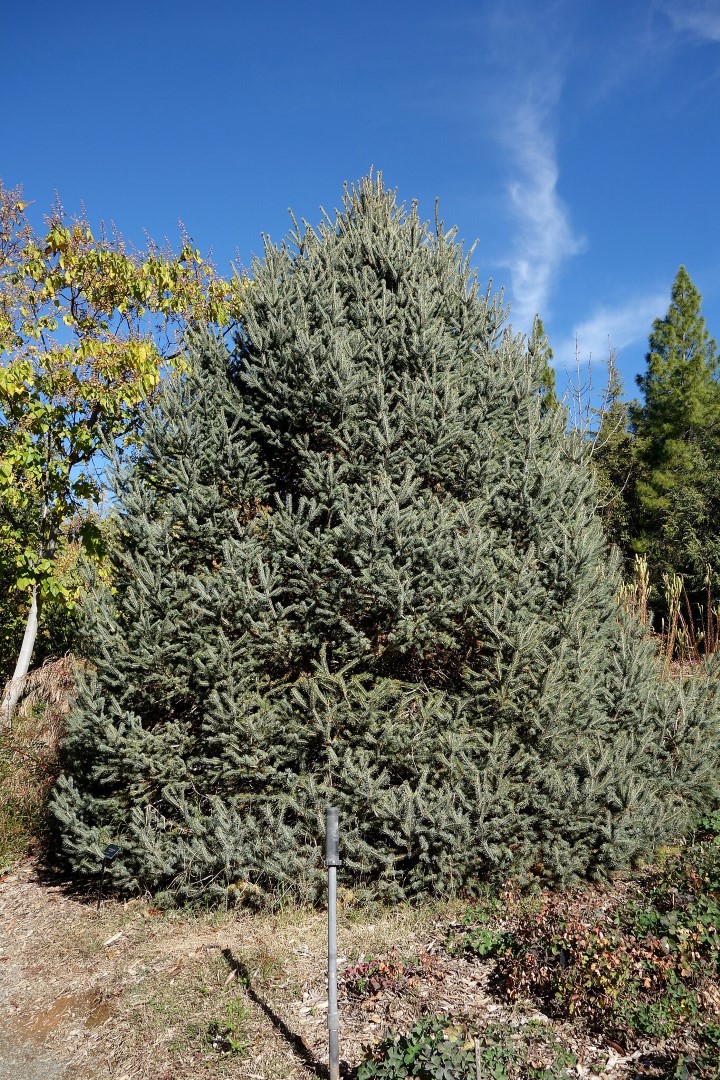
The Lijiang spruce – Picea likiangensis is a remarkable Chinese mountain conifer that deserves more attention in British gardens. This impressive evergreen develops a broad, conical shape with graceful, slightly drooping branches. The needles range from deep green to attractive blue-green shades, providing excellent colour throughout the year. Young trees grow steadily, forming a neat pyramid that becomes more characterful with age. The bark starts smooth and grey, developing interesting fissures and texture as the tree matures.
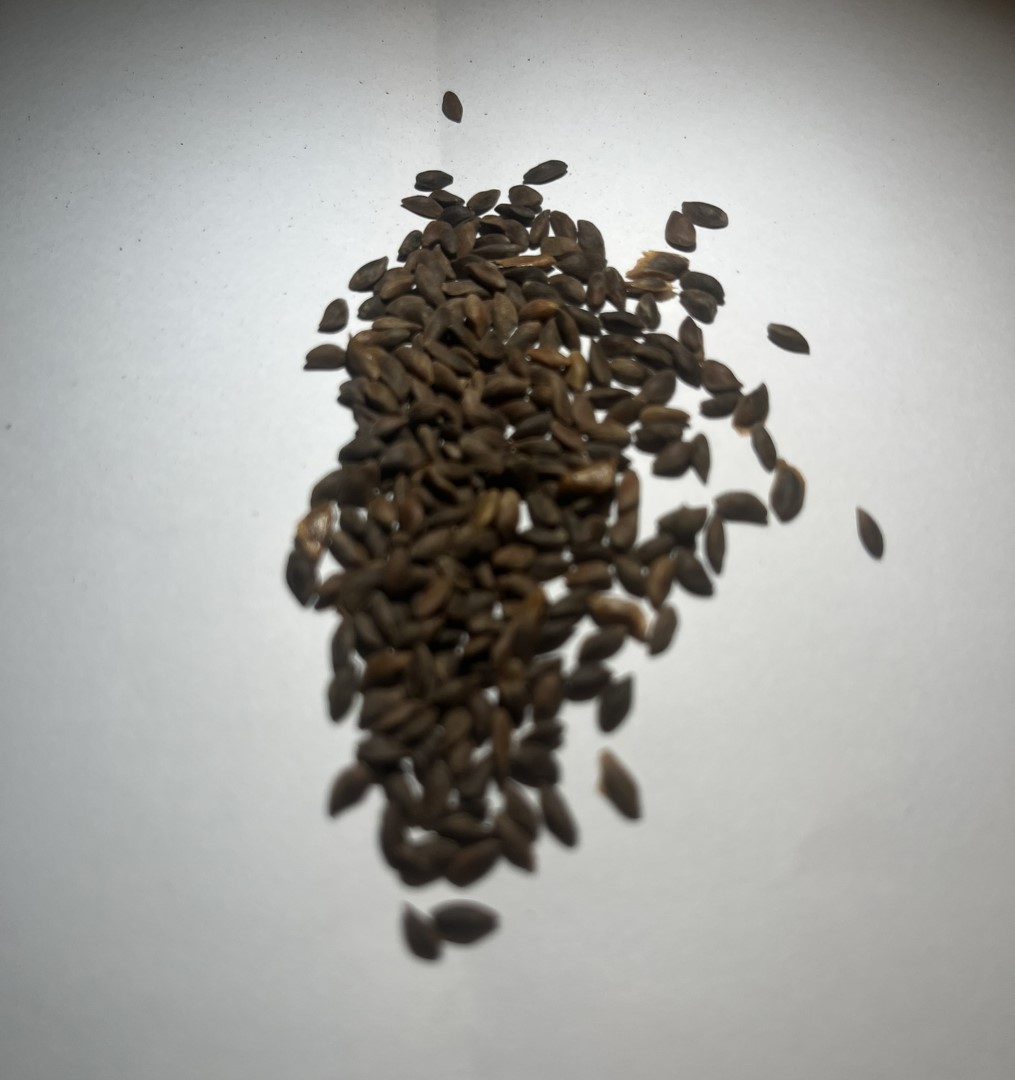
Growing this vulnerable species from seed helps preserve an important conifer. Wild populations have declined by 30% due to logging pressure in China. By cultivating Lijiang spruce here, gardeners contribute to its conservation. Seeds germinate well with proper care, producing vigorous young plants. In British conditions, expect heights of 15-25 metres rather than the towering giants found in Chinese mountains. The tree grows at a moderate pace, adding 30-45cm annually once established.
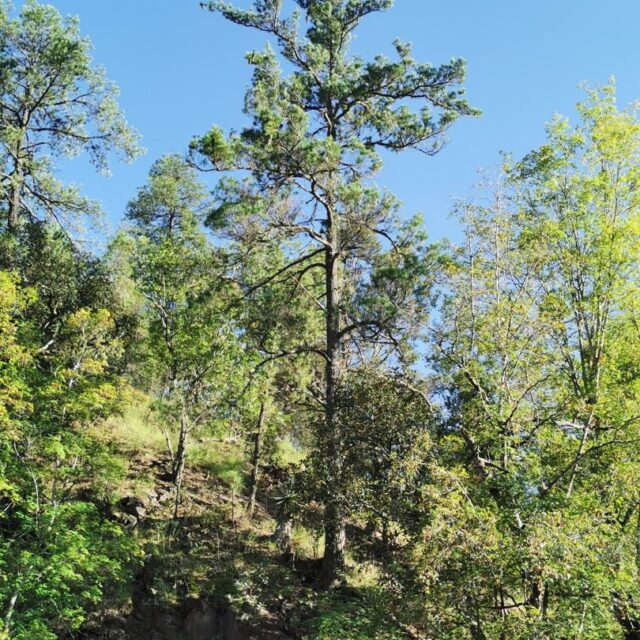
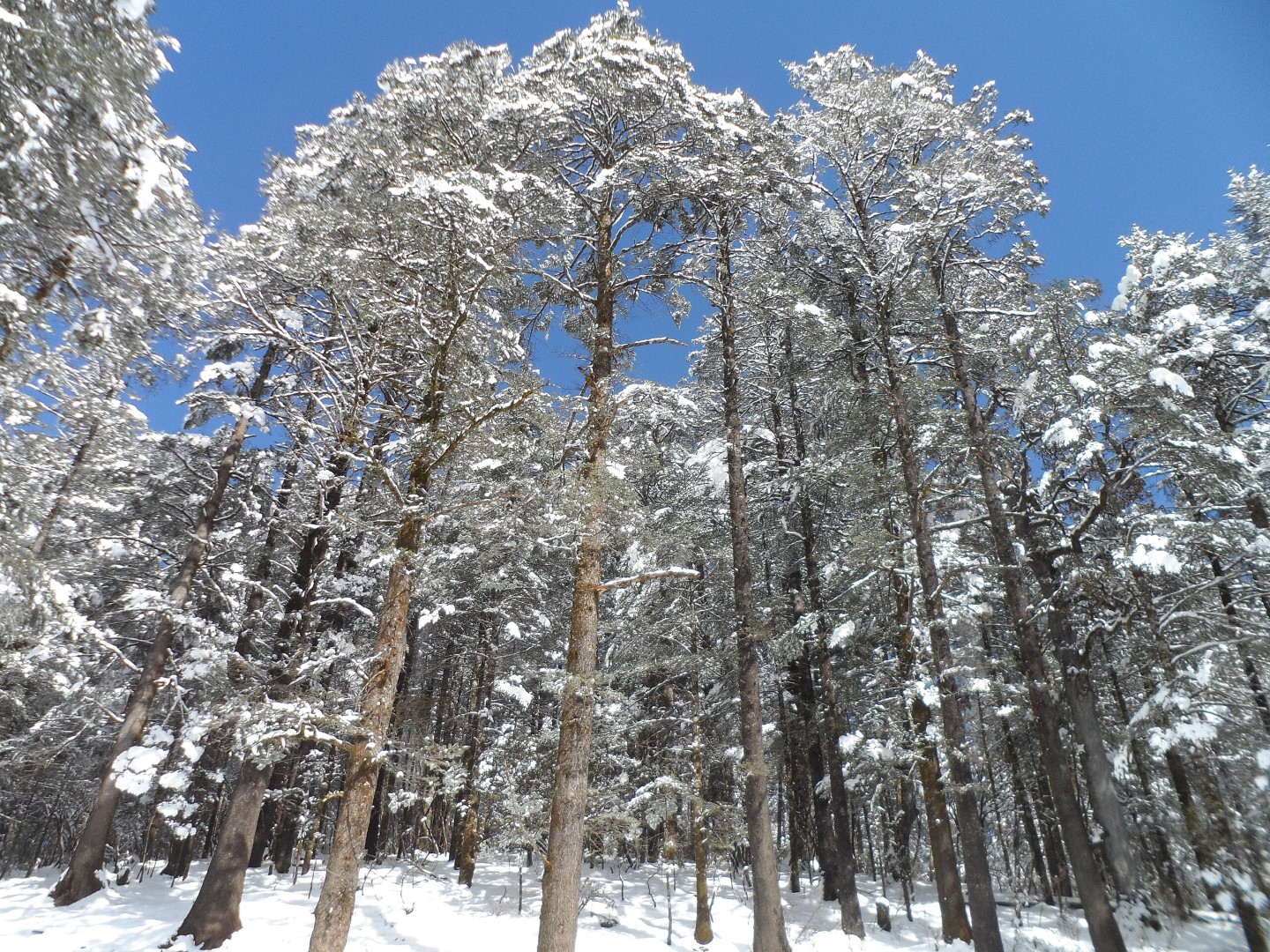
The Lijiang spruce comes from mountain forests in southwestern China, particularly around Lijiang city. It grows at high elevations where winters are cold and summers cool and moist. The tree often mingles with other conifers and rhododendrons in its native habitat.
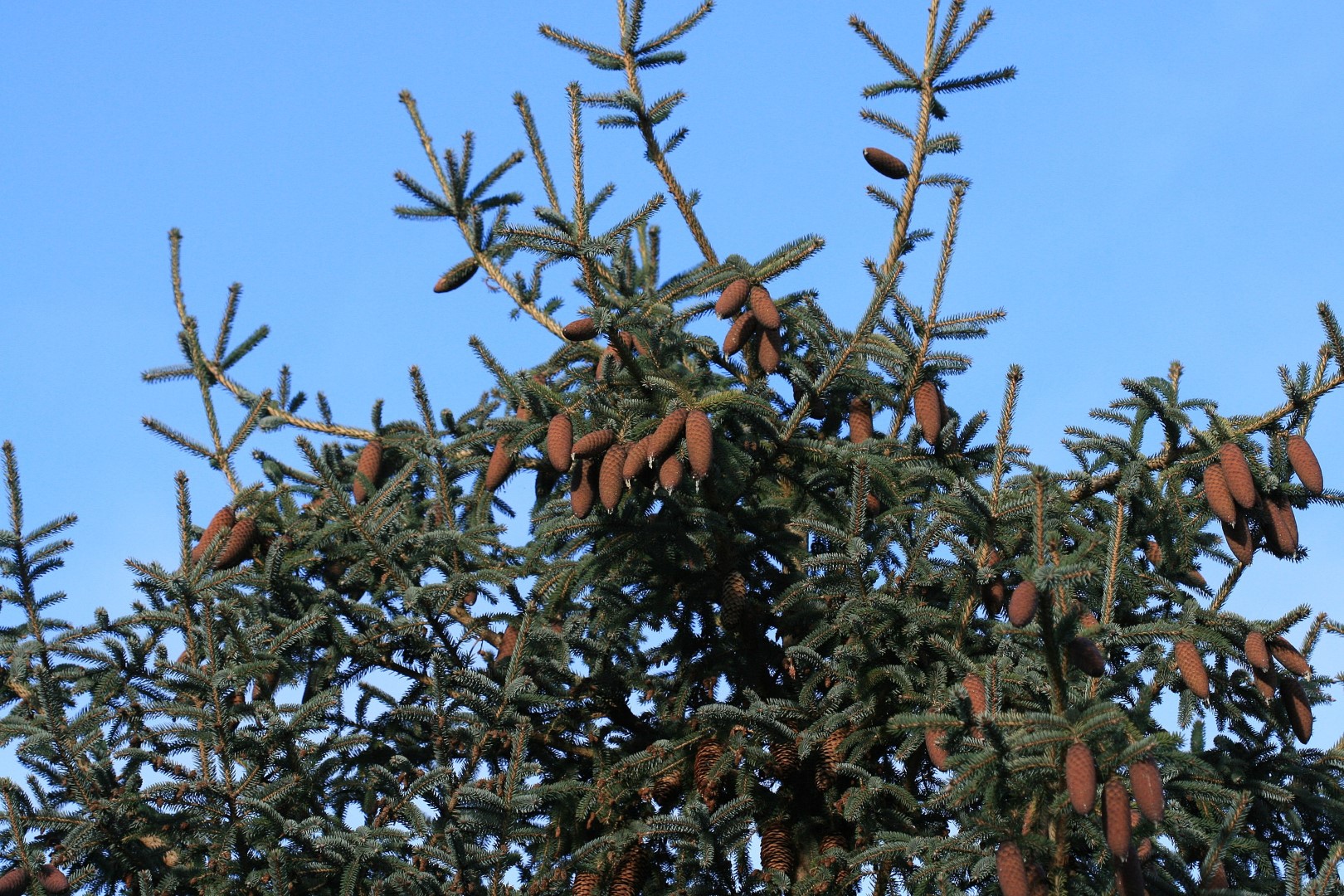
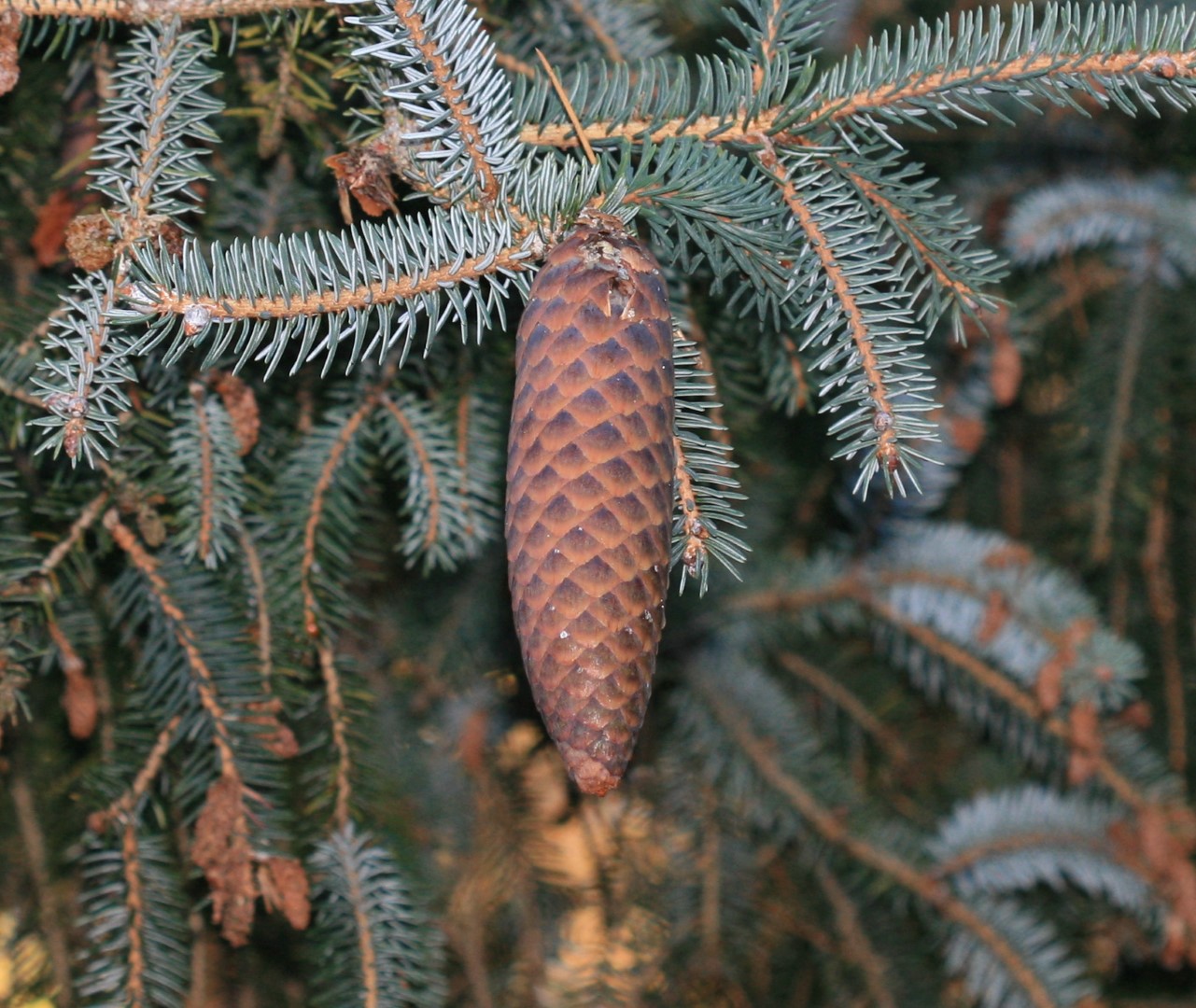
One of this spruce’s most striking features is its decorative cones. Young cones emerge in gorgeous purple shades, creating a stunning display against the green foliage. As they mature, the cones turn pale brown and hang elegantly from branch tips. These pendant cones can reach 10-15cm long, adding wonderful texture and interest. The colour transformation from purple to brown happens over several months, giving extended seasonal appeal.
This spruce suits gardeners looking for something rare and beautiful. Its broad conical form provides excellent structure in larger gardens. The tree works brilliantly as a specimen plant on lawns where its shape and cone display can be appreciated. It also makes an effective windbreak or backdrop for smaller plants. The blue-green forms look particularly striking in winter gardens. Birds appreciate the shelter and seeds, making it valuable for wildlife too.