About this tree
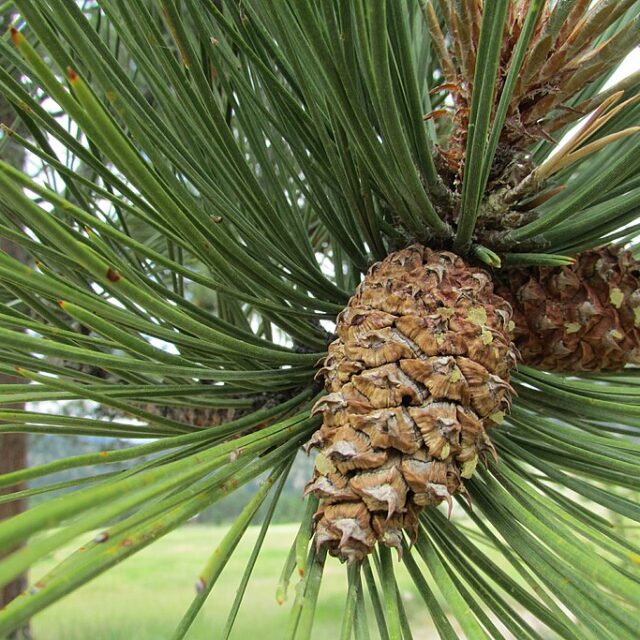
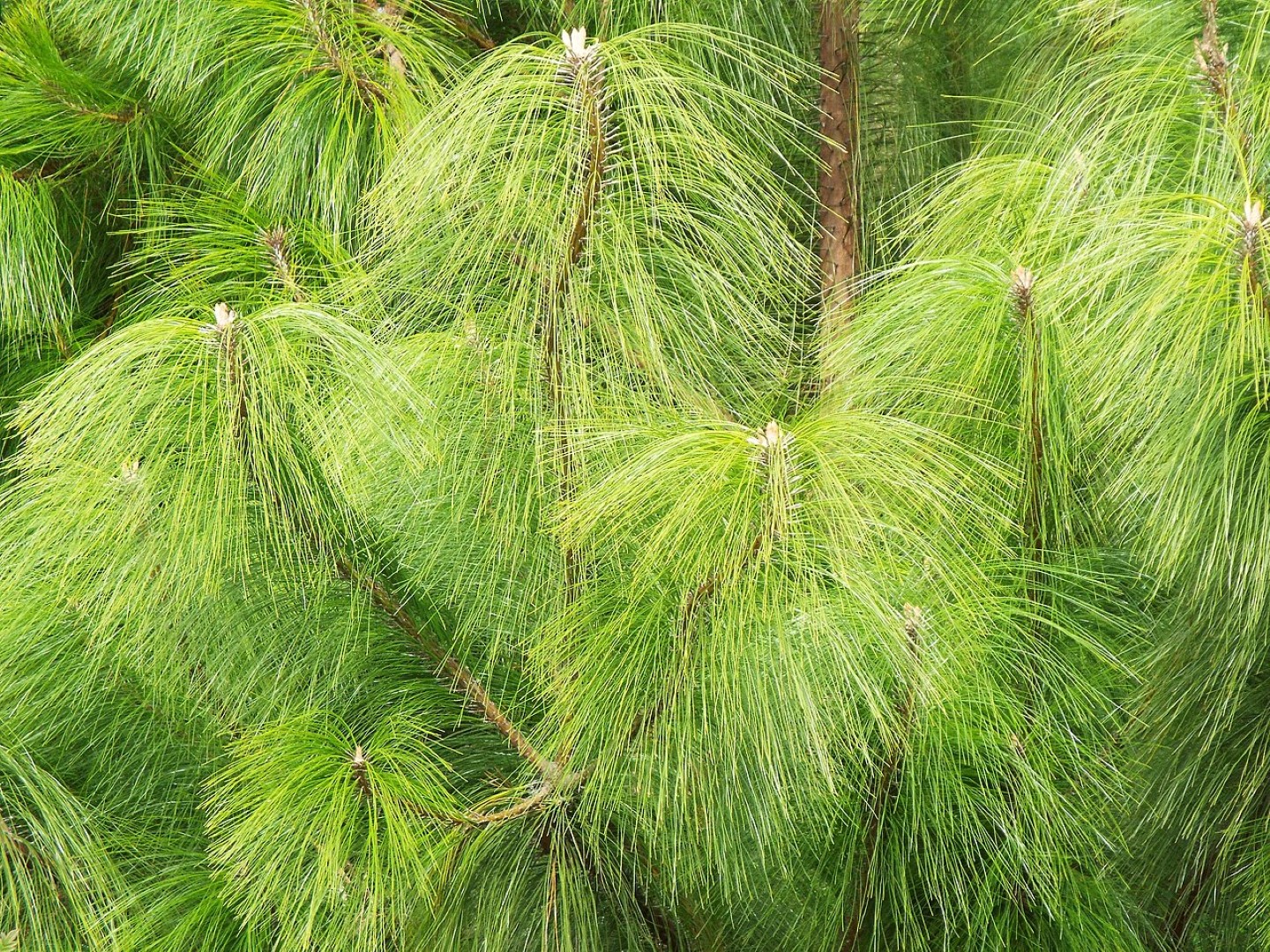
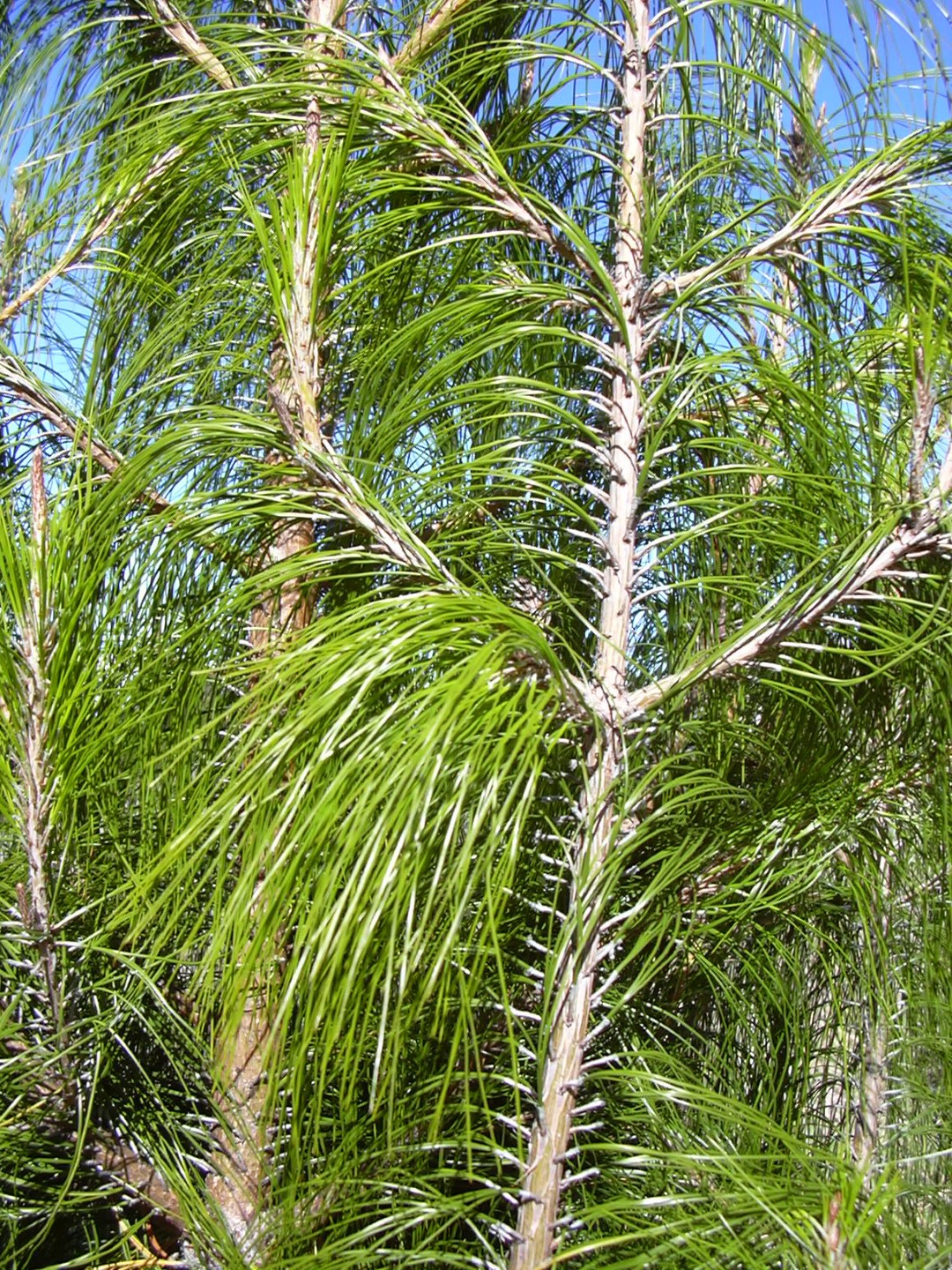
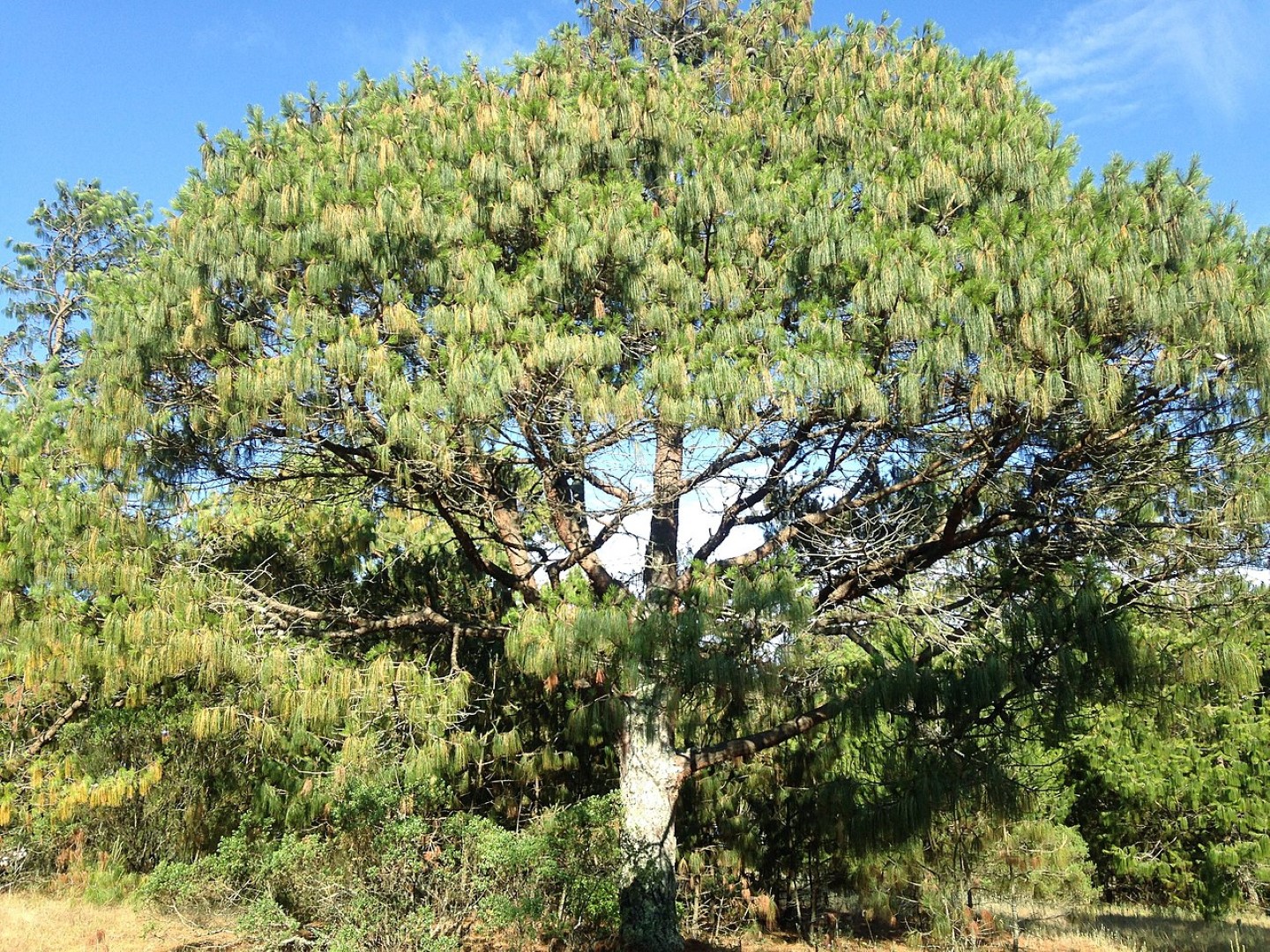
Mexican Weeping Pine Seeds – Pinus patula let you raise one of the most graceful conifers from scratch. Native to the mountains of eastern Mexico, this pine is known for its long, slender, drooping needles that hang in soft tassels from upswept branches. The needles are a fresh, bright green, often 15–25cm long, and grouped in clusters of three, so the tree has a light, flowing look quite unlike stiffer, darker pines.
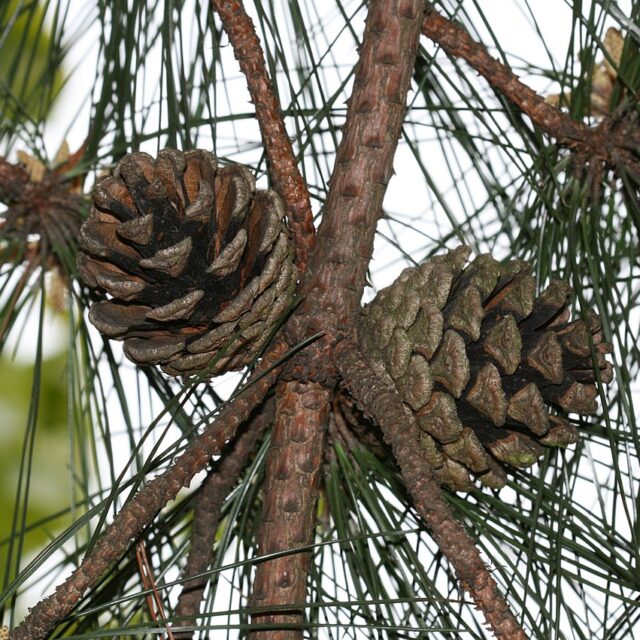
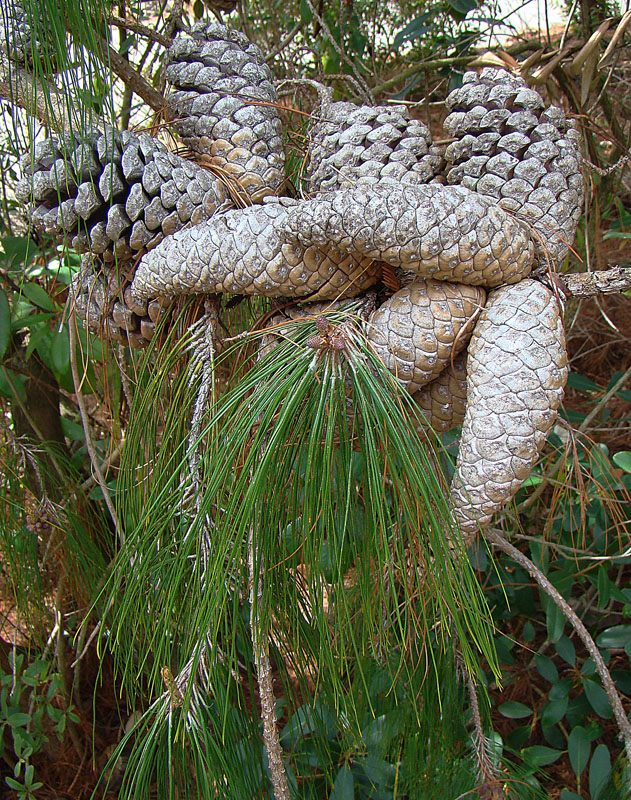
As the tree matures, the bark on the upper trunk and branches turns a warm reddish-brown and peels in thin flakes, adding colour and texture through winter. Glossy brown cones, often curved and borne in clusters, cling to the branches for years and add further interest. Grown from seed, this pine suits patient gardeners who enjoy watching a specimen tree develop over many seasons.
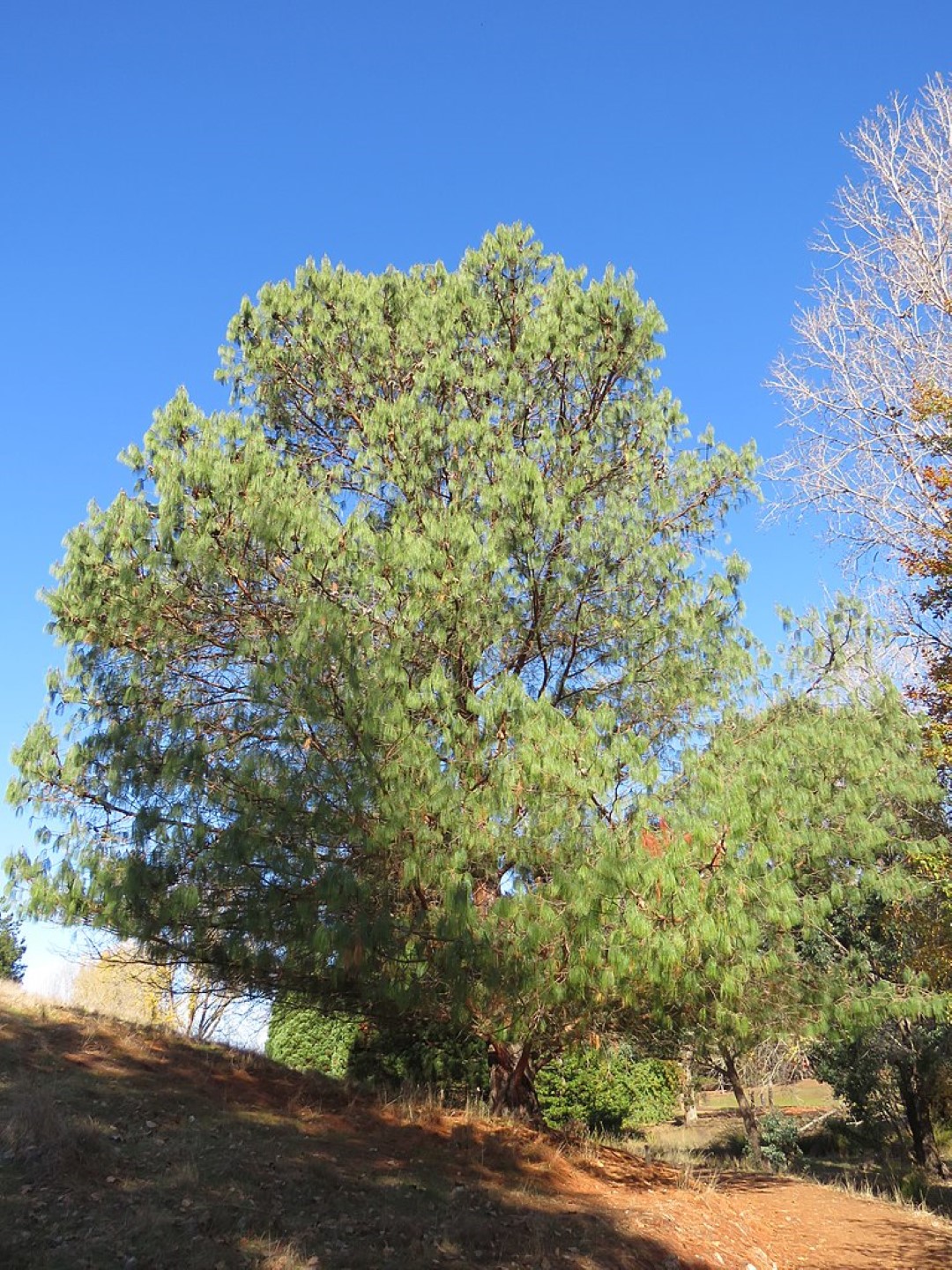
In the right spot, a Mexican weeping pine makes an excellent focal point in a large lawn, woodland edge or spacious sheltered garden. Its drooping foliage moves easily in a breeze, and it looks particularly good near water or against a backdrop of darker evergreens. Because it becomes a large tree, it is best planted well away from buildings, drains and boundaries once it reaches planting-out size.
Care Guide
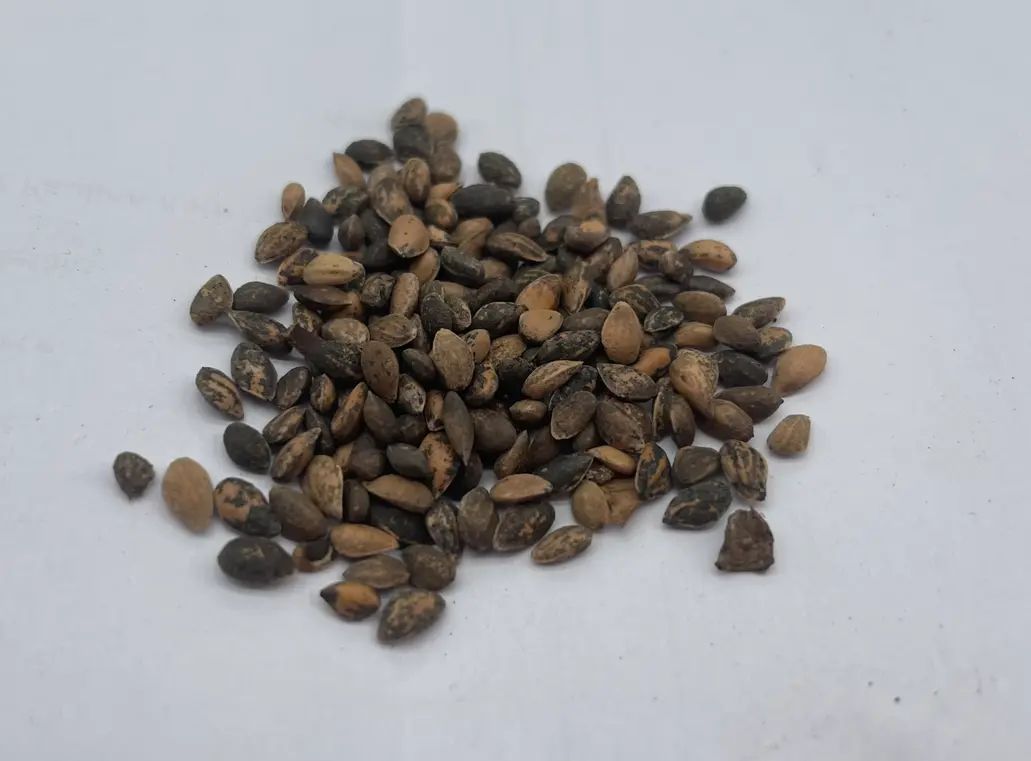
Sowing: Sow seeds in spring in a free-draining seed compost, covering them with about 1cm of compost or fine grit. A short period of cold stratification, such as three to four weeks in a sealed bag of damp compost in the fridge, can help to produce more even germination. Keep the trays at around 18–20°C in a bright position out of direct midday sun. Seedlings usually appear within a few weeks.
Growing on: Once seedlings are large enough to handle, pot them individually into small pots of gritty, peat-free compost. Keep them in a cold frame or unheated greenhouse for their first winter, as young plants are vulnerable to hard frost and cold, wet conditions. Pot on gradually as roots fill each container.
Position and soil: Choose a sunny, sheltered site. This pine prefers well-drained, slightly acidic to neutral soil and dislikes waterlogging and shallow chalk. It does best in milder parts of the British climate, such as southern and western coastal areas, where severe frosts are less frequent. Protect it from cold, drying winds, especially while young.
Planting out: Plant out young trees in spring once they are sturdy, usually after two or three years. Water well during the first couple of summers until the roots are established.
Watering and feeding: Keep seedlings evenly moist but never soggy. Established trees are fairly tolerant of dry spells. A light application of slow-release fertiliser in spring helps young plants, but established trees need little feeding.
Pruning: Very little pruning is needed. Remove any dead or damaged branches in late winter, and keep a single leading shoot to encourage a good shape.
Ultimate height
Higher than 12 metres
Time to ultimate height
Not confirmed
Ultimate spread
Not confirmed