About this tree
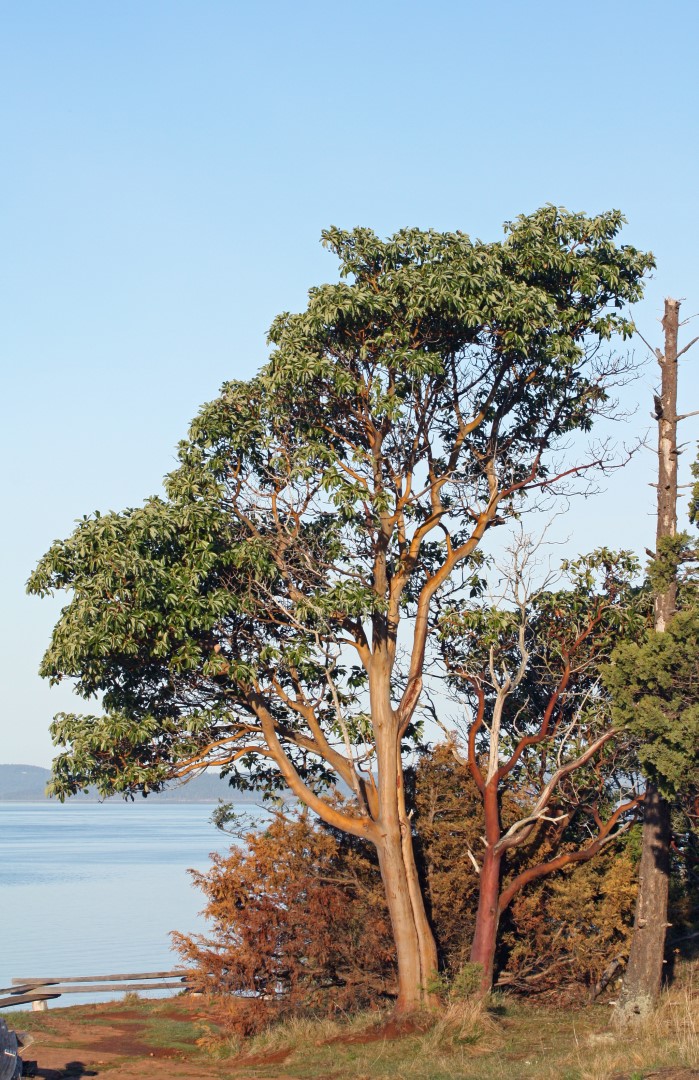
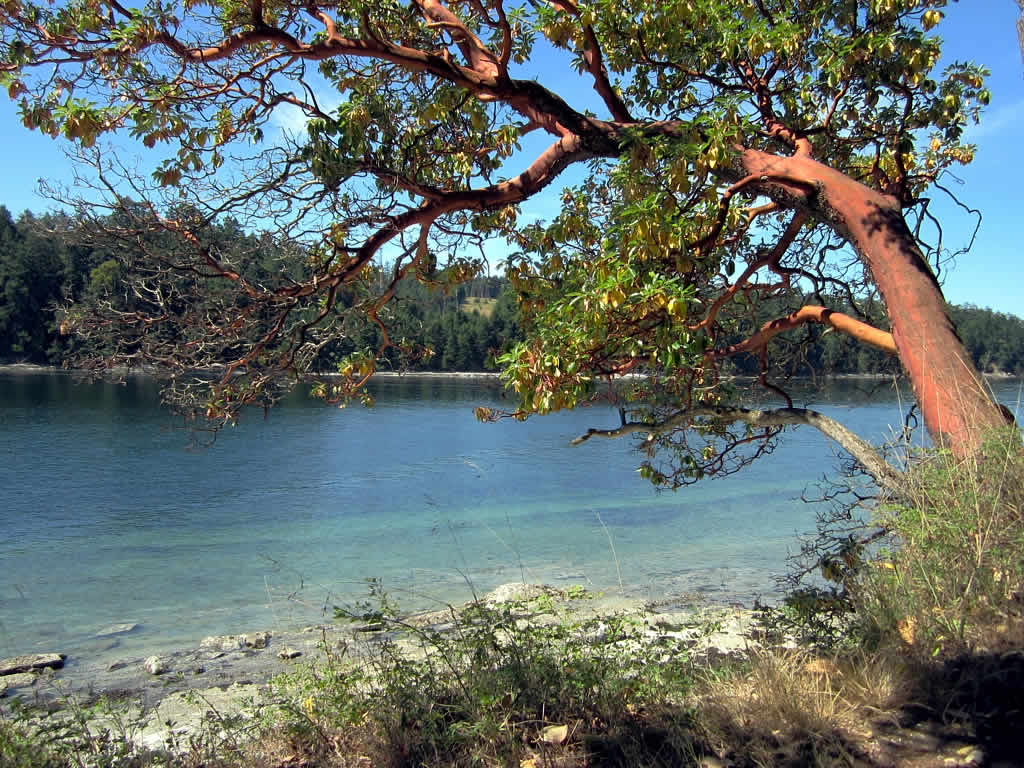
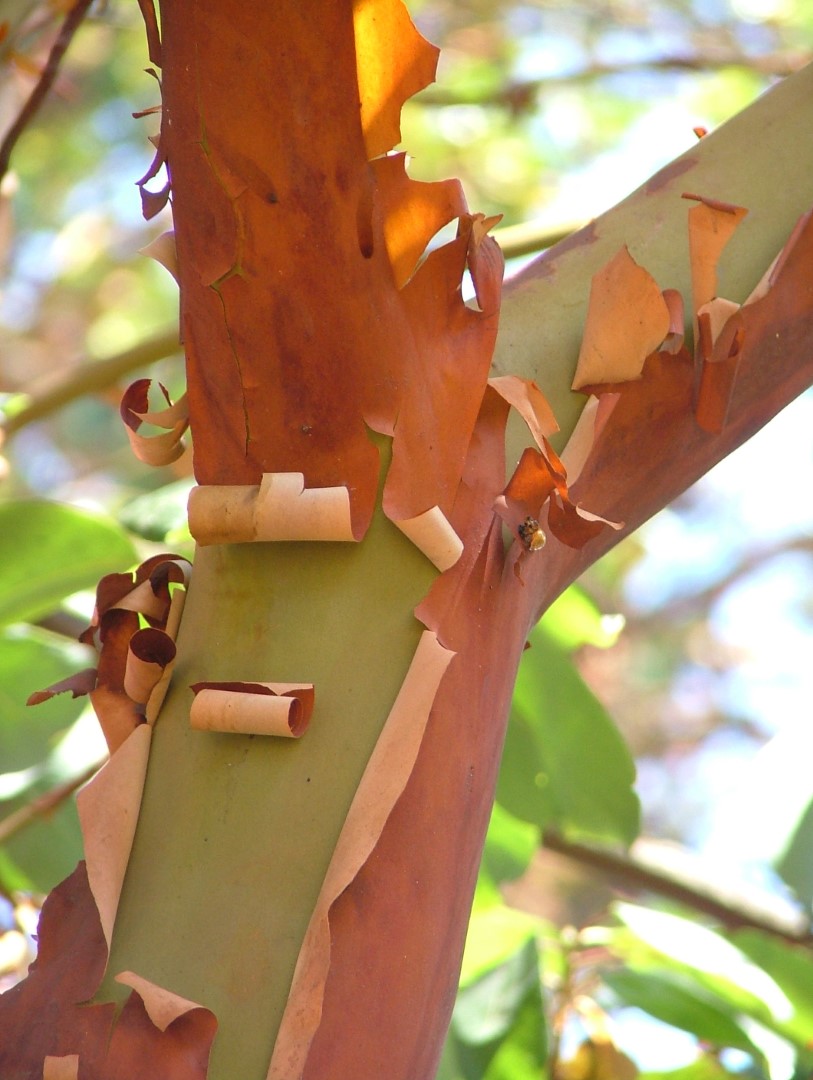
Pacific Madrone seeds offer the opportunity to grow one of North America’s most striking evergreen trees, Arbutus menziesii, renowned for its extraordinary peeling bark that reveals smooth cinnamon-red to orange undertones beneath. This magnificent broadleaf evergreen creates a stunning focal point in larger gardens, with its sculptural form and year-round interest making it a prized specimen for collectors and enthusiasts of unusual trees.
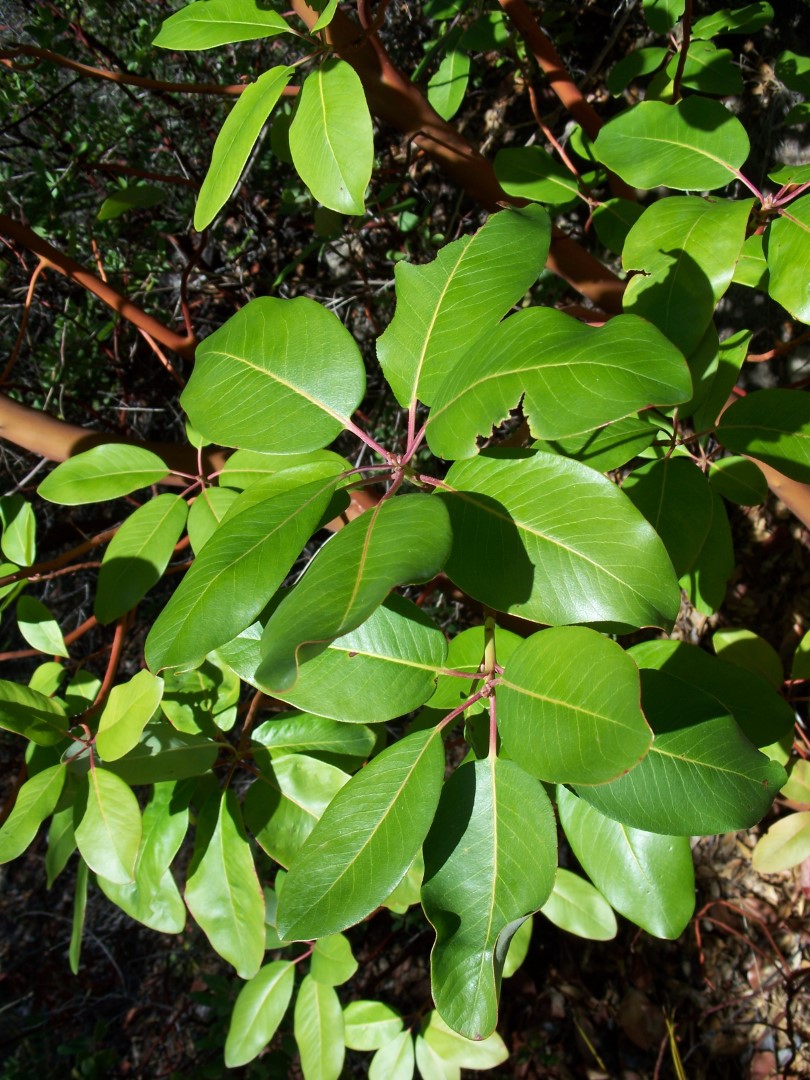
The glossy, dark green leaves provide excellent evergreen coverage throughout the year, whilst clusters of white, urn-shaped flowers appear in spring, attracting bees and other beneficial pollinators. These blooms develop into distinctive orange-red berries by autumn, providing valuable food for birds during the colder months. The bark is undoubtedly the tree’s most captivating feature, with the outer layer naturally exfoliating to expose the smooth, terracotta-coloured new bark beneath, creating a living sculpture that becomes more impressive with age.
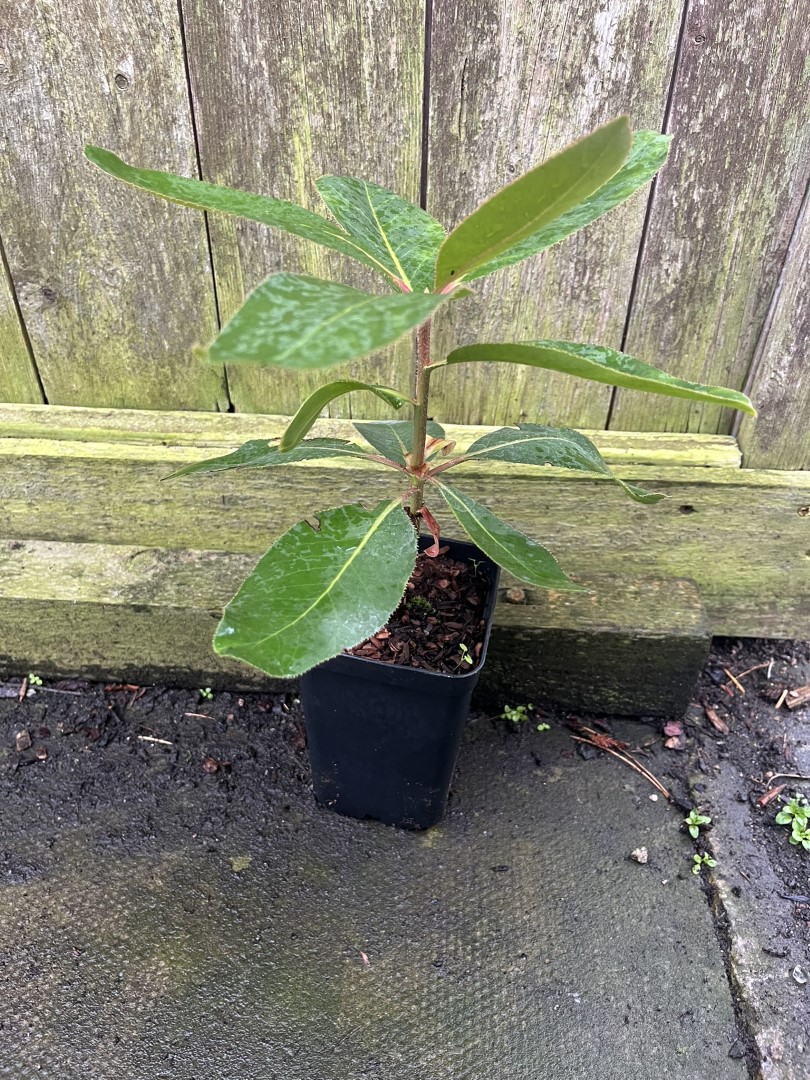
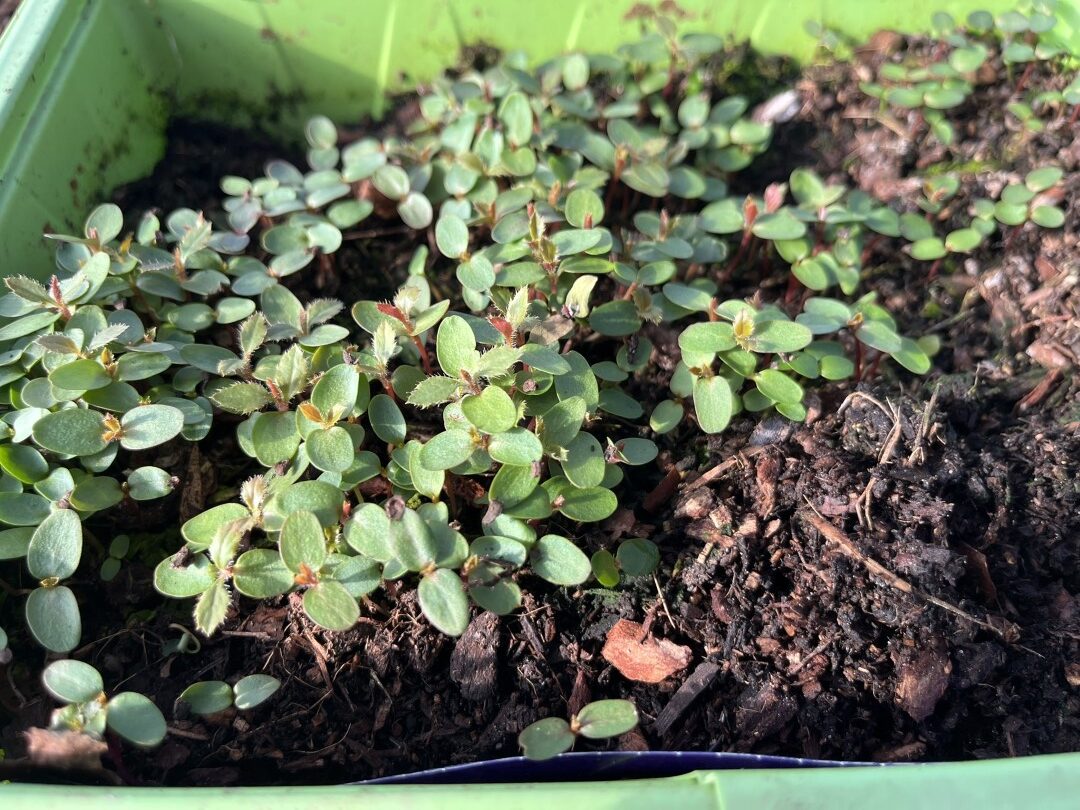
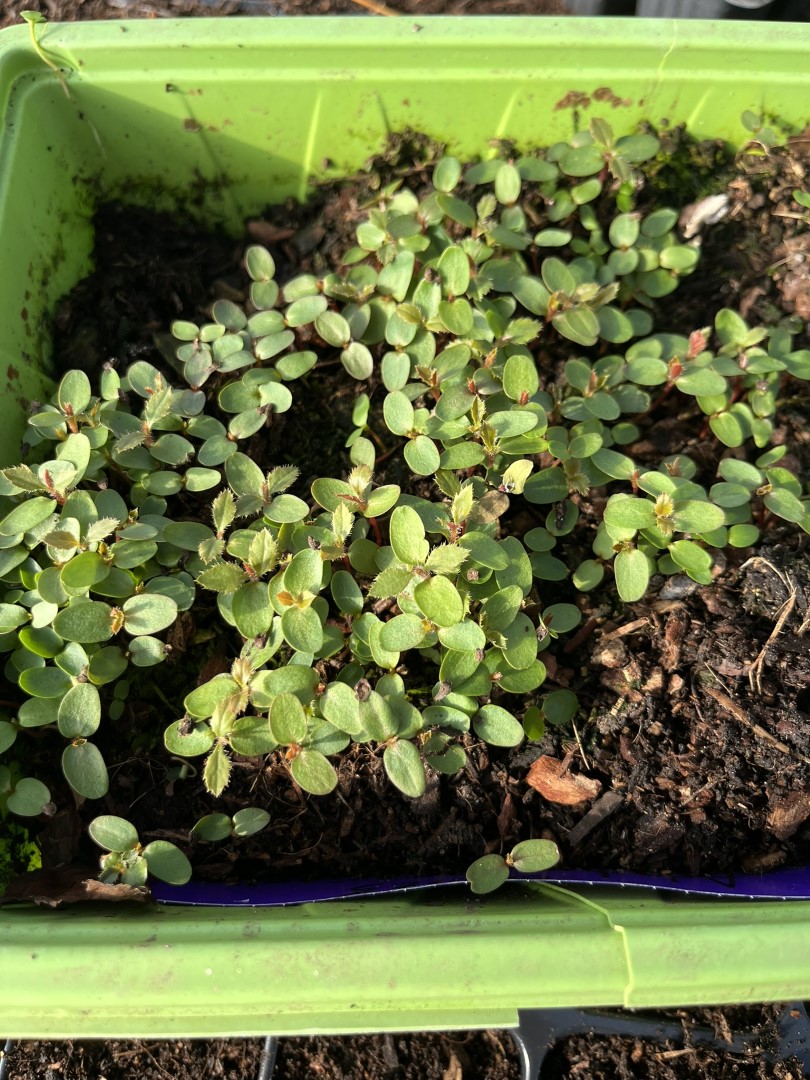
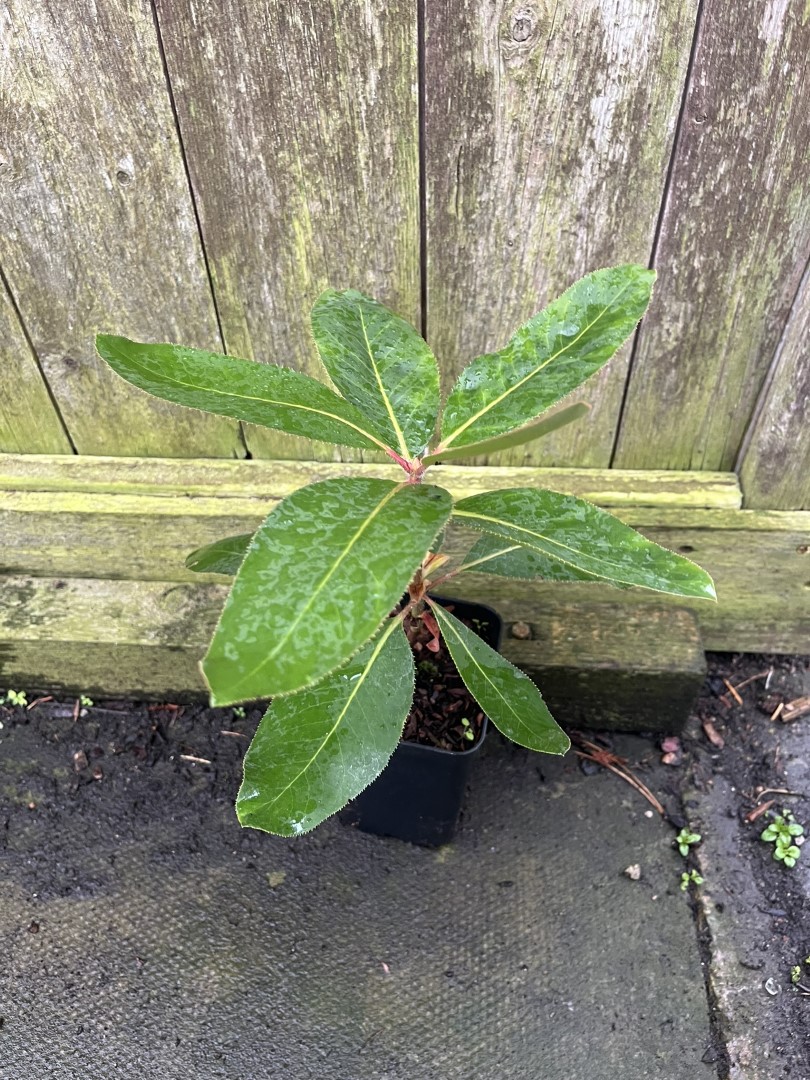
Growing Pacific Madrone from seed requires patience and attention to detail, as germination can be challenging. Seeds benefit from cold stratification for approximately three months before sowing in spring. Use well-draining, slightly acidic compost and maintain consistent moisture without waterlogging. Germination may take several weeks to several months, so persistence is essential. Once established, young seedlings should be handled carefully as they can be sensitive to root disturbance.
Care Guide for British Climate
Pacific Madrone thrives in sheltered positions with full sun to partial shade, preferring free-draining, acidic to neutral soil. Whilst established trees show reasonable drought tolerance, young plants require regular watering during dry spells, particularly in their first few years. Choose a permanent position carefully, as mature specimens resent transplanting due to their extensive root systems.
Protection from cold winds is beneficial, especially for younger trees, making south or west-facing positions ideal. In colder regions, consider planting in a sheltered courtyard or against a warm wall. The species performs best in areas with mild winters and moderate rainfall, though it can adapt to various conditions once fully established.
Mulch around the base with organic matter to retain moisture and suppress weeds, keeping the mulch clear of the trunk to prevent rot. Minimal pruning is required beyond removing dead or damaged branches in late spring. Avoid heavy pruning as this can spoil the tree’s natural architectural form. Feed young trees with an ericaceous fertiliser in spring to support healthy growth, though established specimens rarely require supplementary feeding in reasonably fertile soil.
Pacific Madrone makes an exceptional specimen tree for larger gardens, particularly those with Mediterranean-style planting schemes or woodland gardens featuring acid-loving plants. Its tolerance of coastal conditions makes it suitable for seaside gardens in milder areas.
Ultimate height
Higher than 12 metres
Time to ultimate height
20–50 years
Ultimate spread
8–12 metres
Reviews
There are no reviews yet.