About this tree
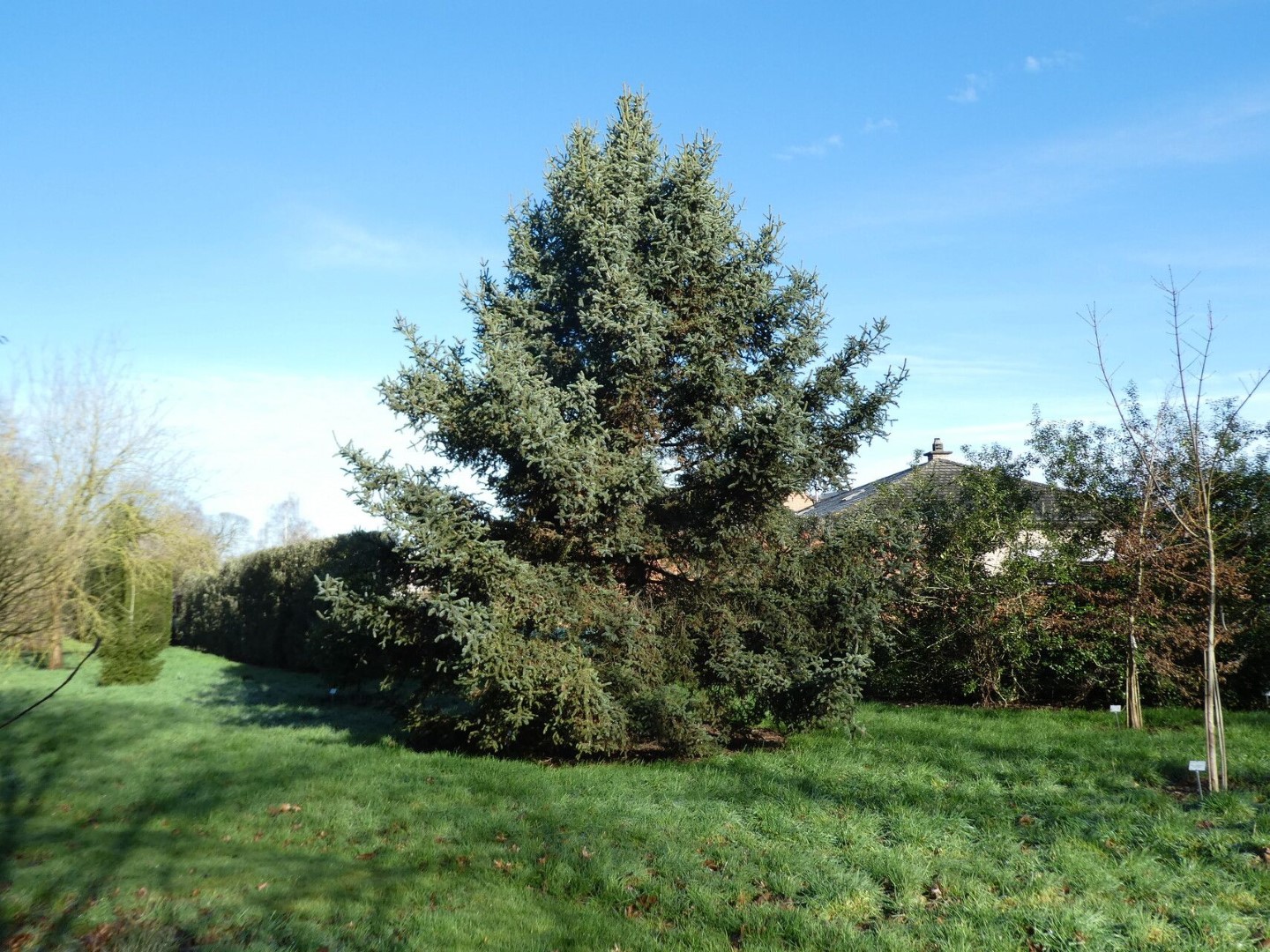
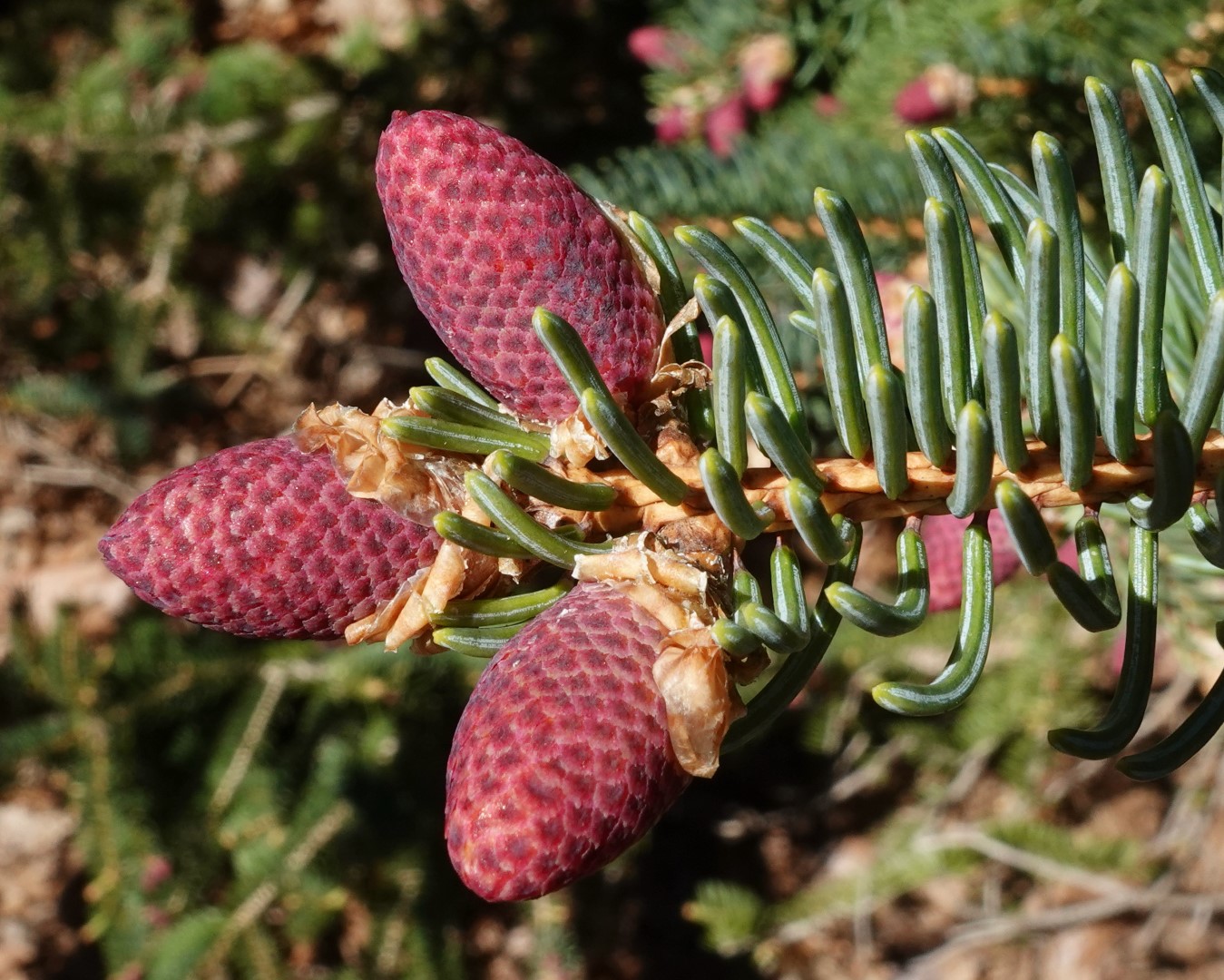
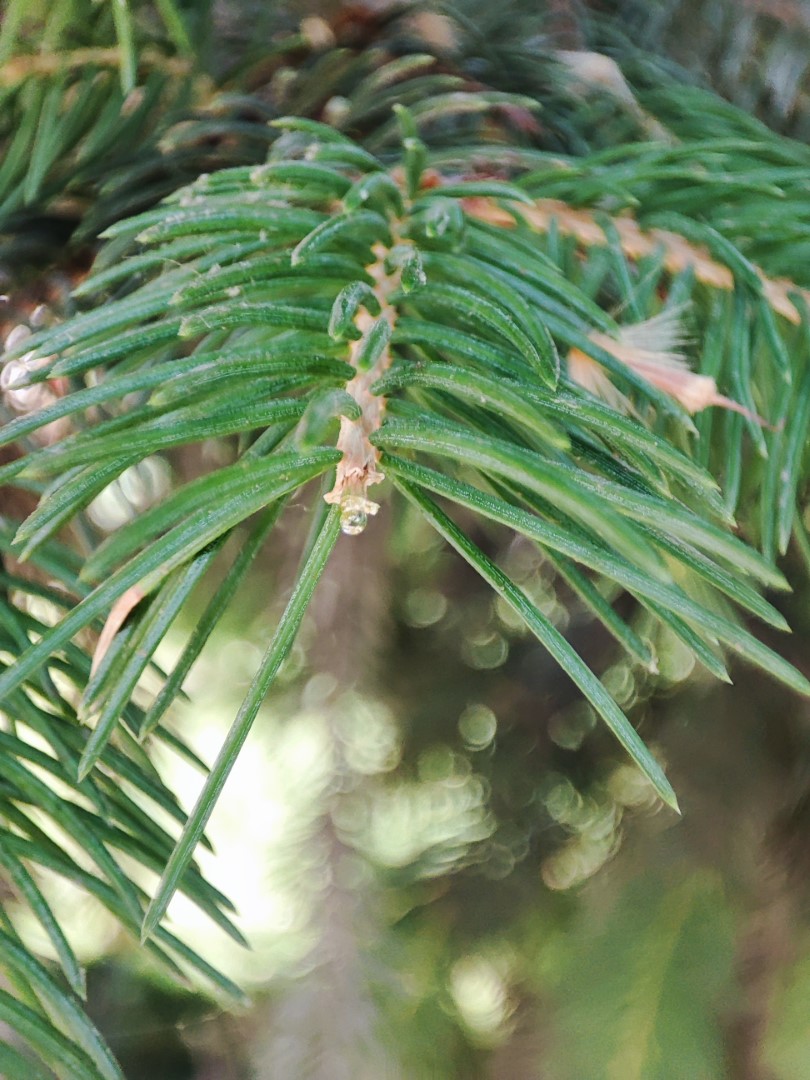
The Qinghai spruce – Picea crassifolia is a tough Chinese conifer that thrives where other evergreens struggle. This hardy spruce stands out with its thick, quadrangular needles that feel substantial to touch. The needles measure 1.2-3.5cm long and have a robust appearance that hints at the tree’s drought tolerance. Unlike many spruces that need constant moisture, this species handles dry conditions remarkably well. The tree develops a strong, upright form with horizontal branches creating neat tiers.
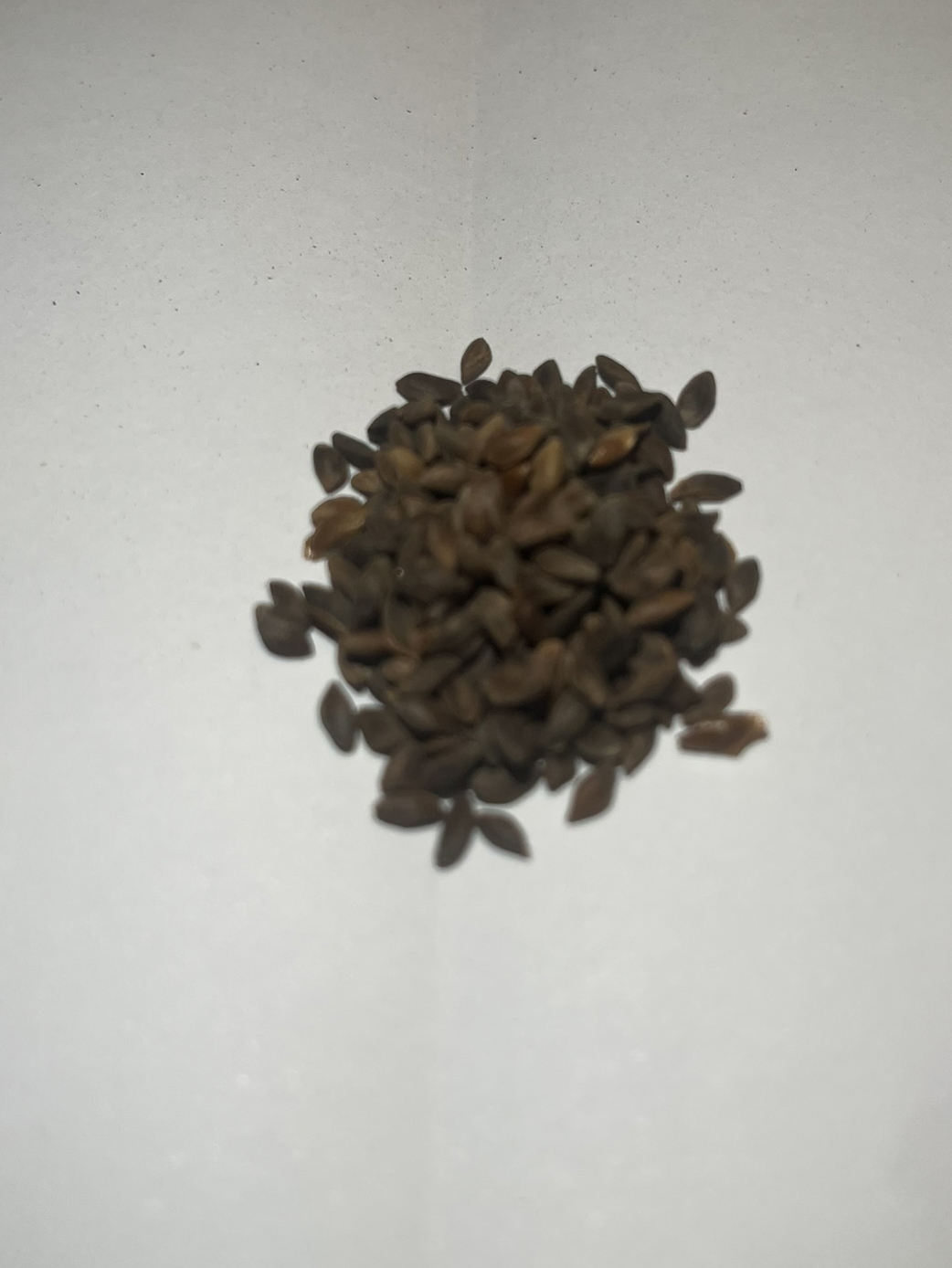
Growing Qinghai spruce from seed gives you a genuinely unusual conifer for British gardens. Few gardeners know this species, making it a real conversation starter. Seeds germinate readily with proper preparation, producing sturdy seedlings. Young trees establish quickly and show good vigour from the start. In cultivation, expect heights of 15-20 metres, creating an impressive specimen without overwhelming most gardens. The growth rate is steady rather than rapid, giving you time to enjoy each stage.
The Qinghai spruce comes from northwestern China, particularly Qinghai Province where it gets its common name. It grows in mountainous areas with cold winters and limited rainfall. This harsh environment has shaped a tree that copes with challenging conditions.
This spruce offers practical benefits alongside its ornamental value. The drought tolerance becomes increasingly important as our summers grow drier. Once established, it needs little supplemental watering even in dry spells. The thick needles resist desiccation better than those of common spruces. This makes it ideal for exposed sites or areas with sandy, free-draining soil where other conifers might struggle.
The tree works brilliantly as a windbreak, standing firm against strong winds. Its dense growth provides excellent shelter and privacy screening. As a specimen tree, the tiered branching creates architectural interest throughout the year. The needles have an attractive blue-green tint that looks particularly good against winter skies. Wildlife benefits too, with birds using the dense branches for nesting and shelter. This spruce suits forward-thinking gardeners who want beautiful trees that cope with changing climate conditions.